When you’re a two-inch fish whose entire world has been reduced to just two streams on the Cumberland Plateau, you tend to rely on your neighbors to lend a helping fin.
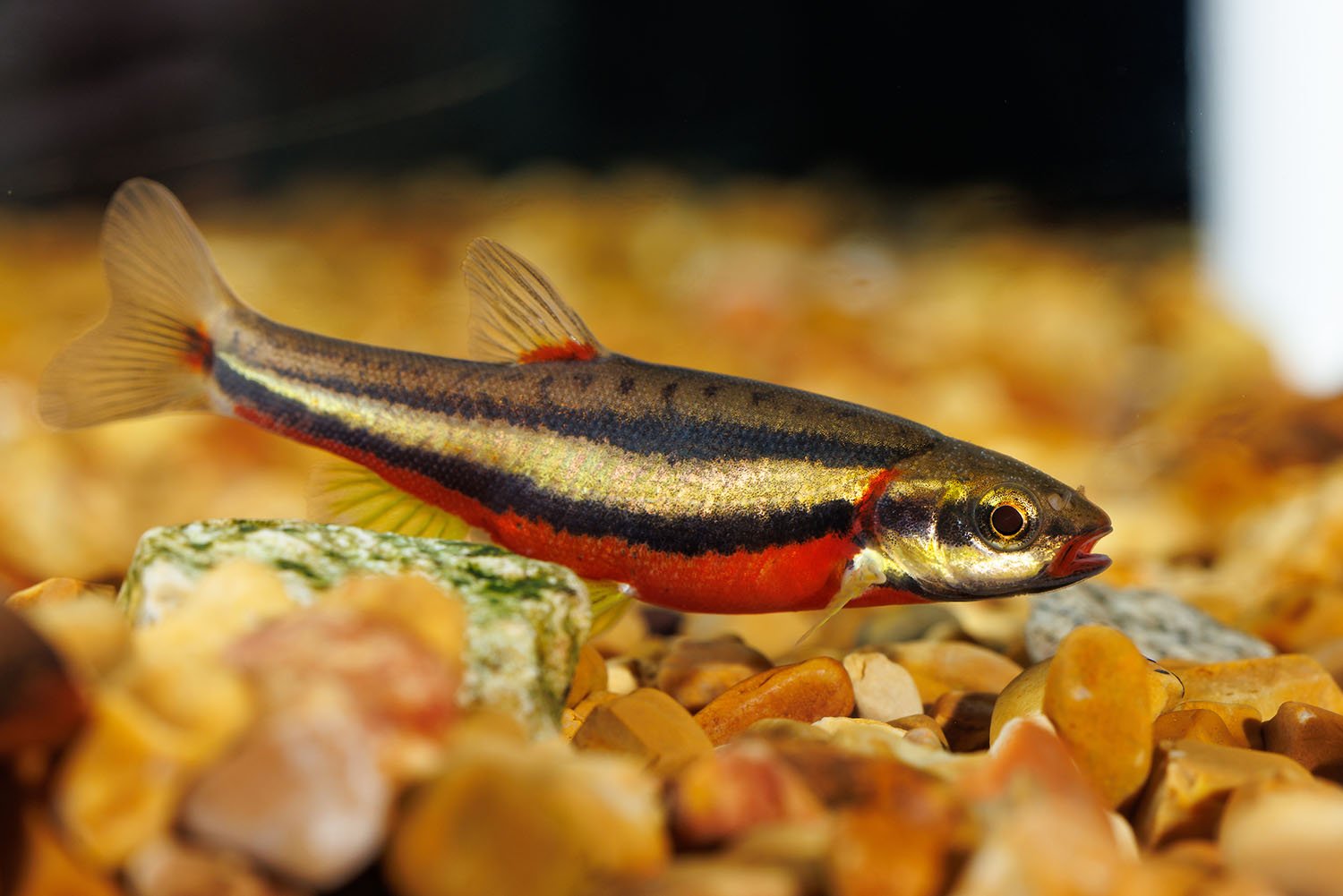
The Laurel Dace is a federally endangered freshwater minnow that’s under a variety of threats, from recurring droughts and invasive predators to dirt-clogged water and parasitic grubs. Scientists consider it one of the ten most imperiled fish in North America.
Fortunately, since becoming aware of its existence and the many challenges it faces, the communities near the Laurel Dace’s last remaining streams on Walden’s Ridge north of Chattanooga have rallied to support it.
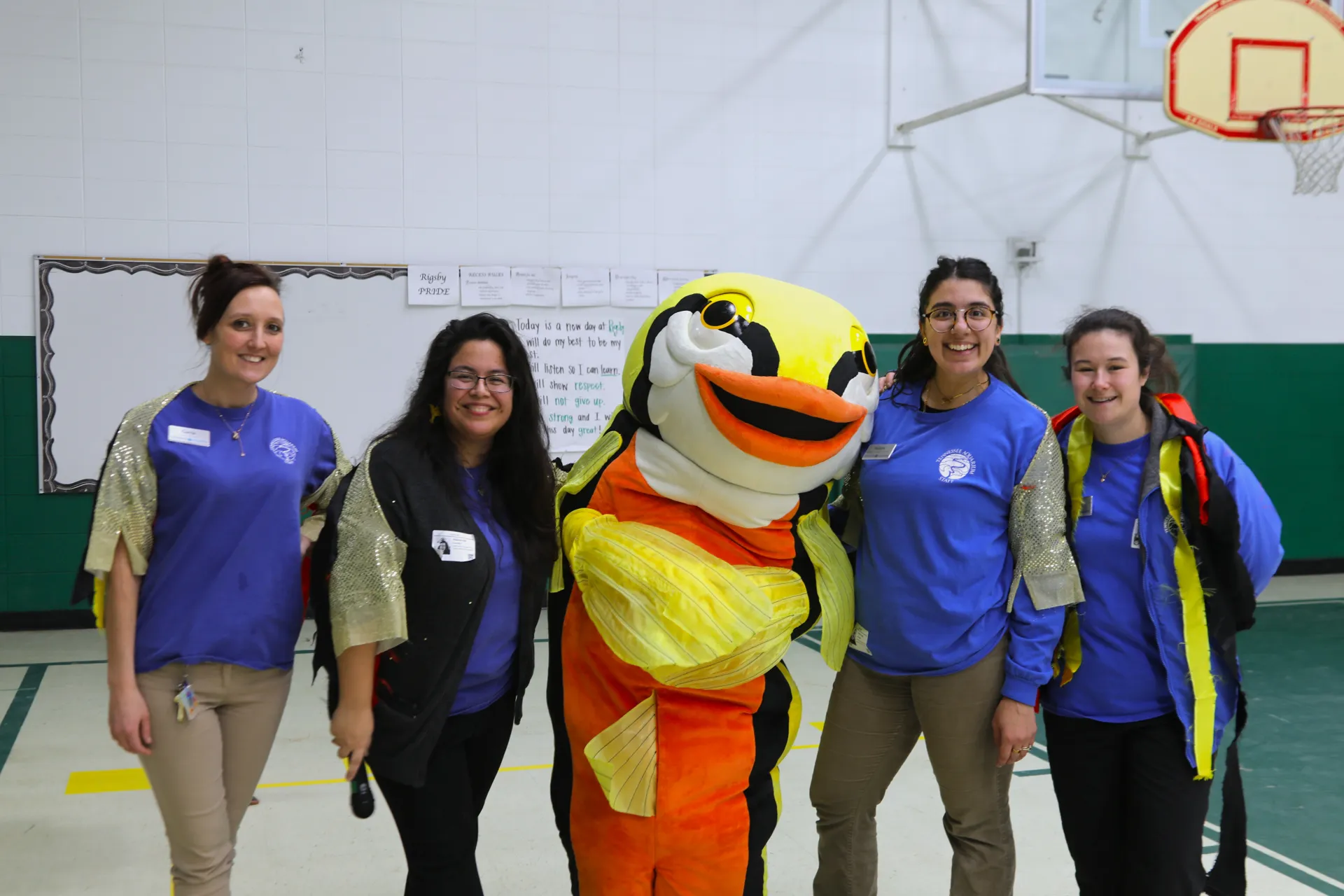
Recently, that rallying cry has taken on a more literal meaning as the Tennessee Aquarium’s outreach and conservation teams visited schools near Spring City, Tenn., to hype up the Laurel Dace to students living just downhill from its home waters.
This winter, educators and scientists transformed the gymnasium of Cecil B. Rigsby Elementary School into a Ninja Warrior-style obstacle course. As they navigated each challenge, the students experienced, firsthand, the hurdles the Laurel Dace currently faces in its streams.
“Our goal was to tell a story — ‘A Day in the Life of a Dace,’” says Formal Learning Experience Supervisor Stephanie Soto. “It’s important to teach kids about local wildlife because many of the struggles these animals face affect us too. When students realize they can relate to their small neighbor, it’s easy for them to empathize with a different species.”
The challenges
To understand the plight of the Laurel Dace, students became honorary dace as they navigated a course in which every obstacle represented a real-world threat to the species. These are the trials they had to overcome.
The Drought Jump: Students leaped between hula hoops representing disconnected pools of water. During droughts, minimal rainfall lowers habitat connectivity. This leaves fish trapped in isolated pockets.
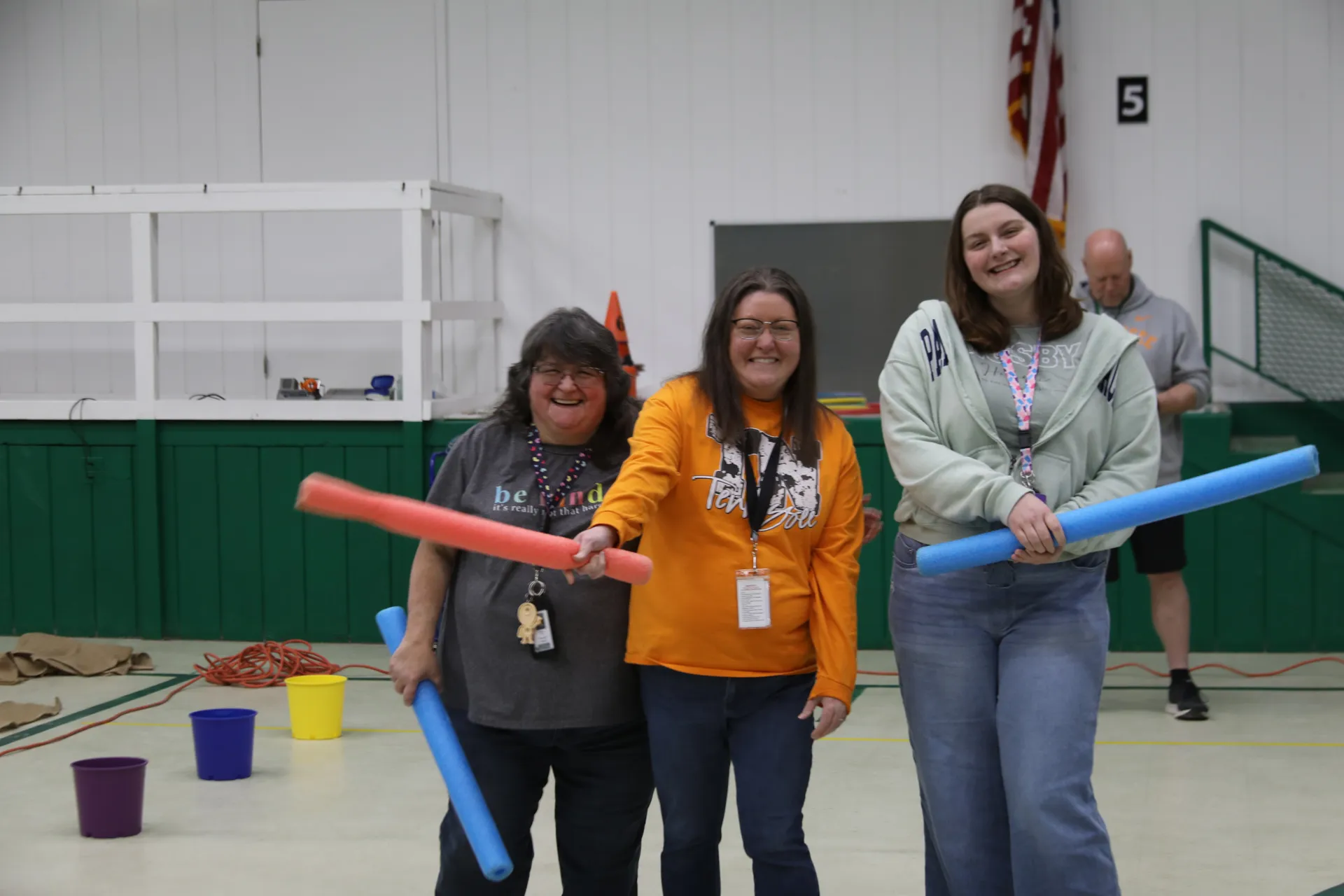
Invasive Species Zone: Teachers happily swung foam pool noodles to mimic aggressive invasive species, such as Green Sunfish. These non-native predators pose a — literally — massive threat to the tiny dace when they wash into its streams from nearby stocked ponds.
The Culvert Crawl: Students scrambled through pop-up tunnels that simulate road culverts. These man-made structures fragment the dace’s habitat, making it nearly impossible for them to move freely throughout the stream.
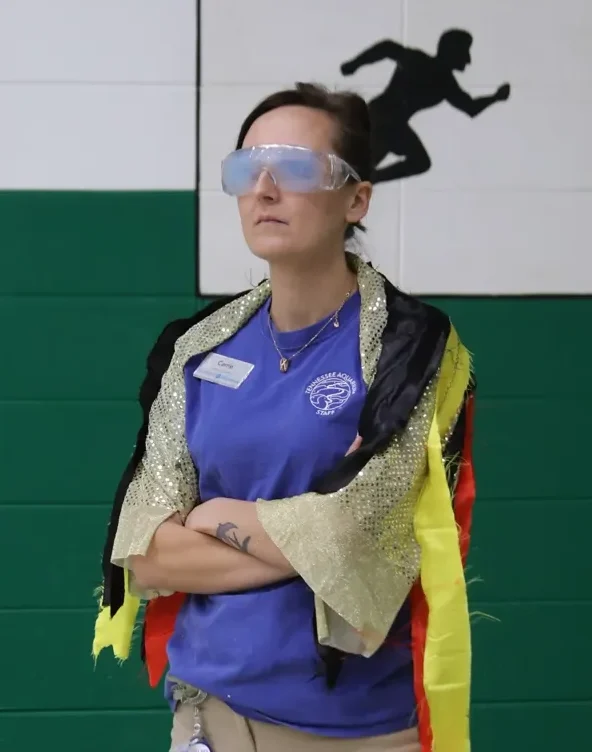
The Murky Waters: Students wore shaded goggles and tried to place their “eggs” (wiffle balls) into a bucket to experience the impact of sedimentation. Laurel Dace rely on their eyesight to find clean spots to lay eggs. Runoff makes the water murky, which can impact this crucial part of their spawning cycle.
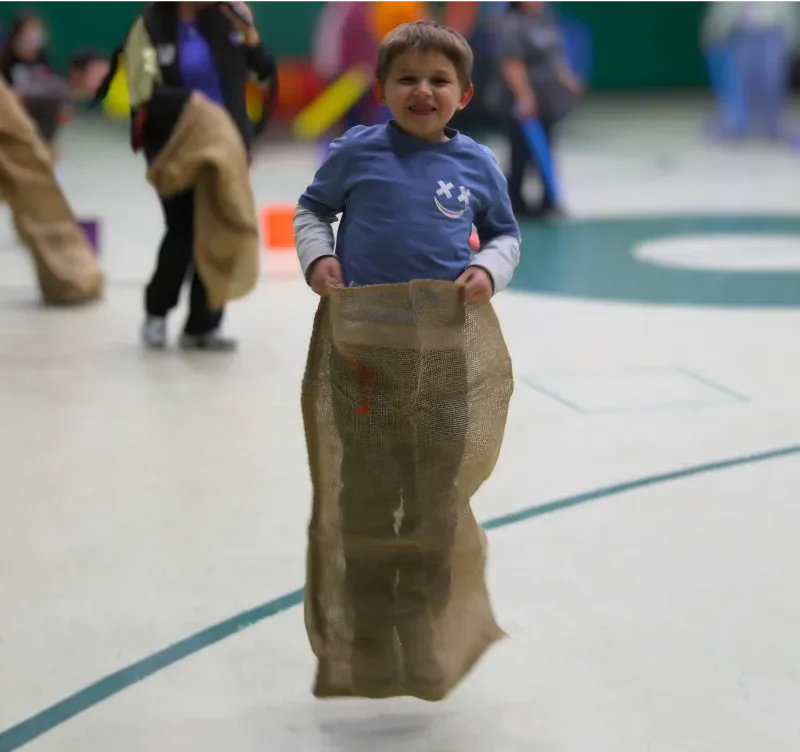
The Parasite Sack Race: A classic sack race represents how Yellow Grub parasites impact the bodies of Laurel Dace. These grubs (nematodes) physically weigh the fish down, making it harder to hunt, find mates or escape predators.
As they experienced the hard-luck life of being a “dace for a day,” the students really got into the spirit of the moment, Soto says.
“They were chanting ‘LAU-REL-DACE’ or ‘GO-LAUREL-GO’ to their own beat,” she says. “It was super-cool seeing these kids so excited about the dace as well as cheering on their classmates.”
The tale of a local legend
At the end of the finish line, students were met by Laurel herself for a well-deserved “fin-five.” While finishing the obstacle course was the challenge, the true victory was building a connection between the students and a species in their backyard that needs all the help it can get.
“This is the first time our team has held a pep rally, so it was intimidating to think how we could not only entertain 150-350 kids of all ages at once but also create a connection with their small neighbor,” Soto says. “So, we focused on what we do best: telling stories.”
Students giving a fin five to Laurel.
Laurel Dace Day
On Saturday, May 16, Spring City will host the second annual Laurel Dace Day celebration. This tribute to the city’s imperiled neighbor — and “official fish” — will include a 5K and 10K race as well as a half-mile fun run, farmer’s market, artisan vendors, live music and other activities. Attendees can also visit informational booths staffed by educators and conservation scientists to learn about how the Aquarium is working to study and protect this rare minnow.
Bring the Aquarium to your school
To book an outreach program or learn more about our school visits, reach out to our team at [email protected] or (423) 785-3066.
For more updates on our field work and to learn how you can help protect the Laurel Dace, visit our Conservation page.