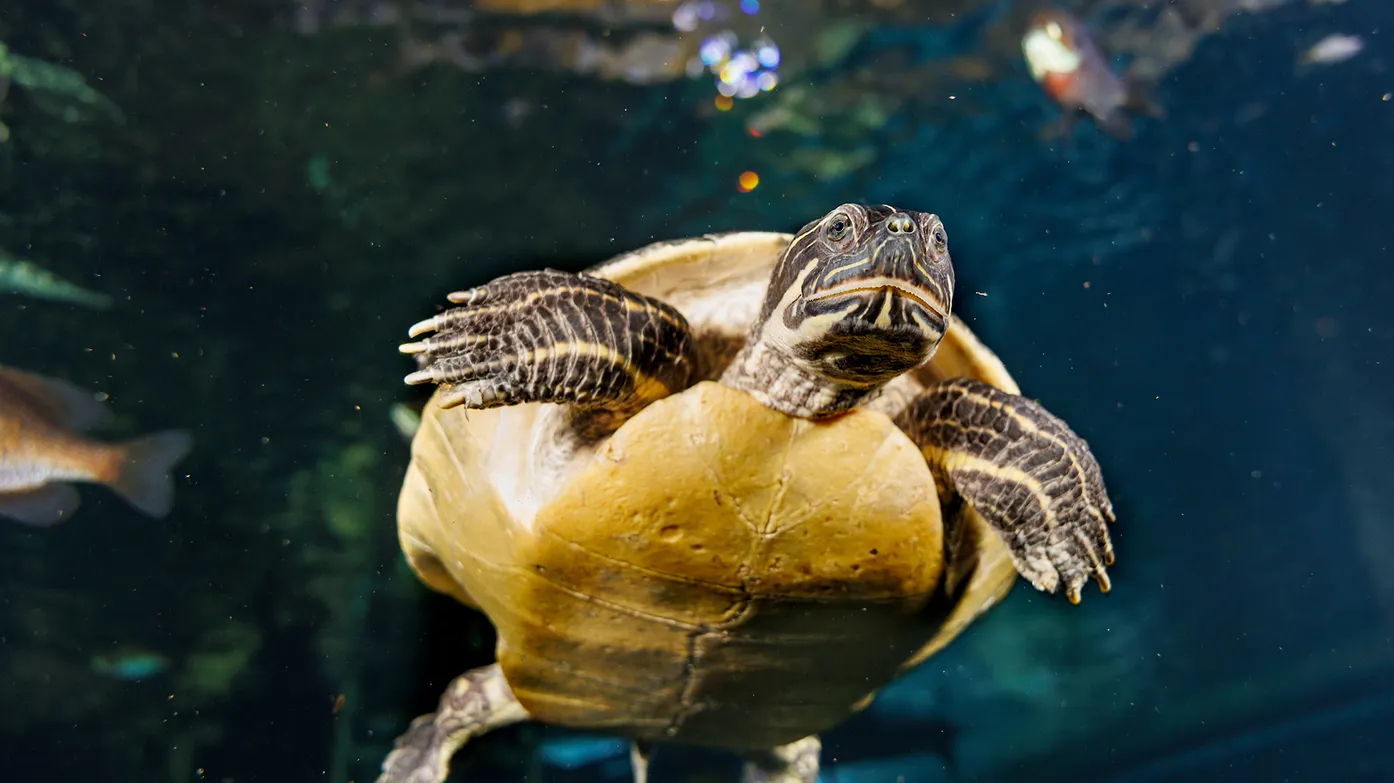
The quiet serenity of brisk winter days in the Tennessee Valley can often leave nature-lovers wondering where all the wildlife has gone.
Turtles and frogs seem to have vanished.
Mammals like squirrels and chipmunks are spotted less frequently.
Even morning bird songs are more subdued.
Though winter may seem dreary and lifeless, many animals that are a common sight in the spring and summer are actually pulling off some incredible physiological tricks to endure the cold.
Wait … what’s a cloaca?
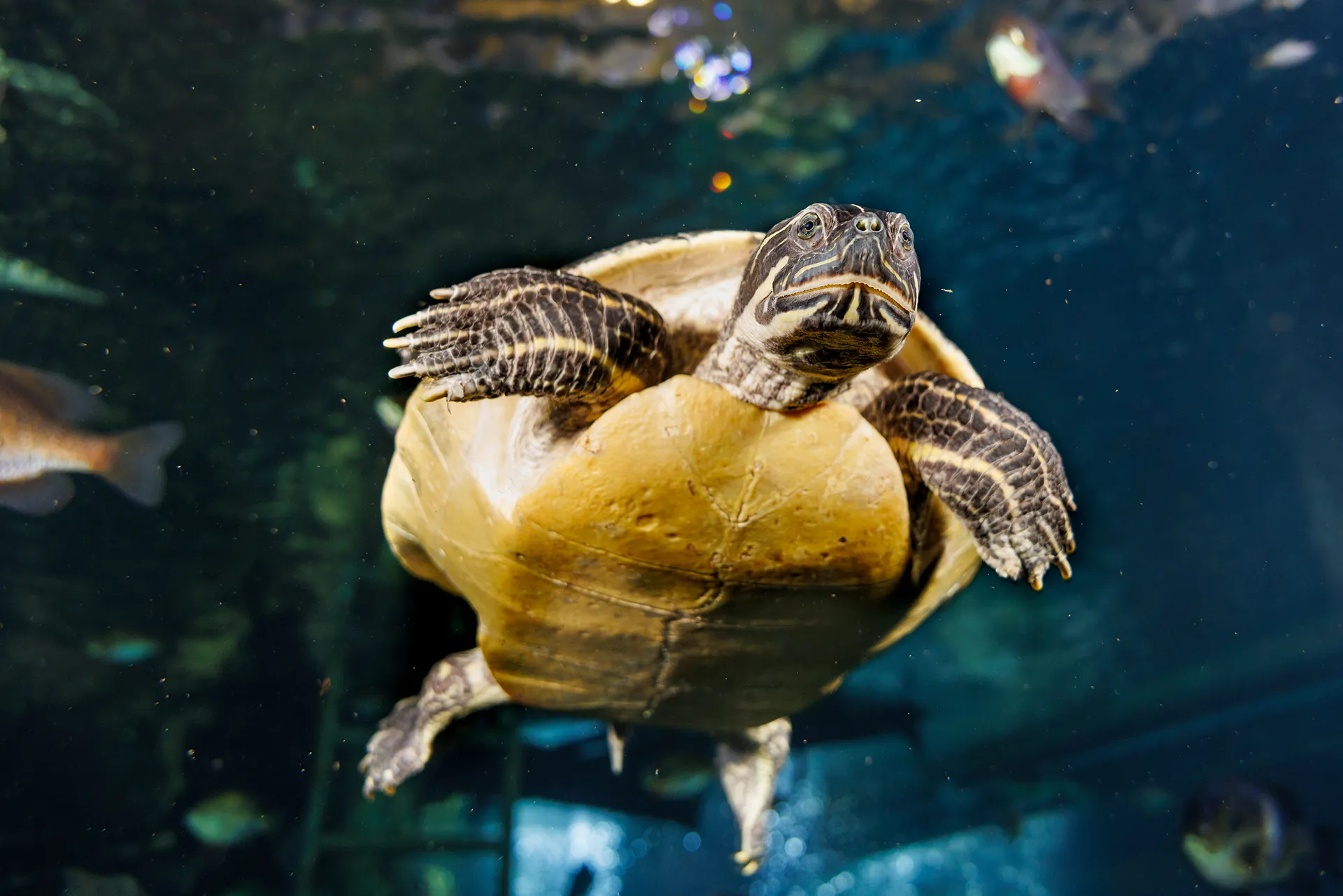
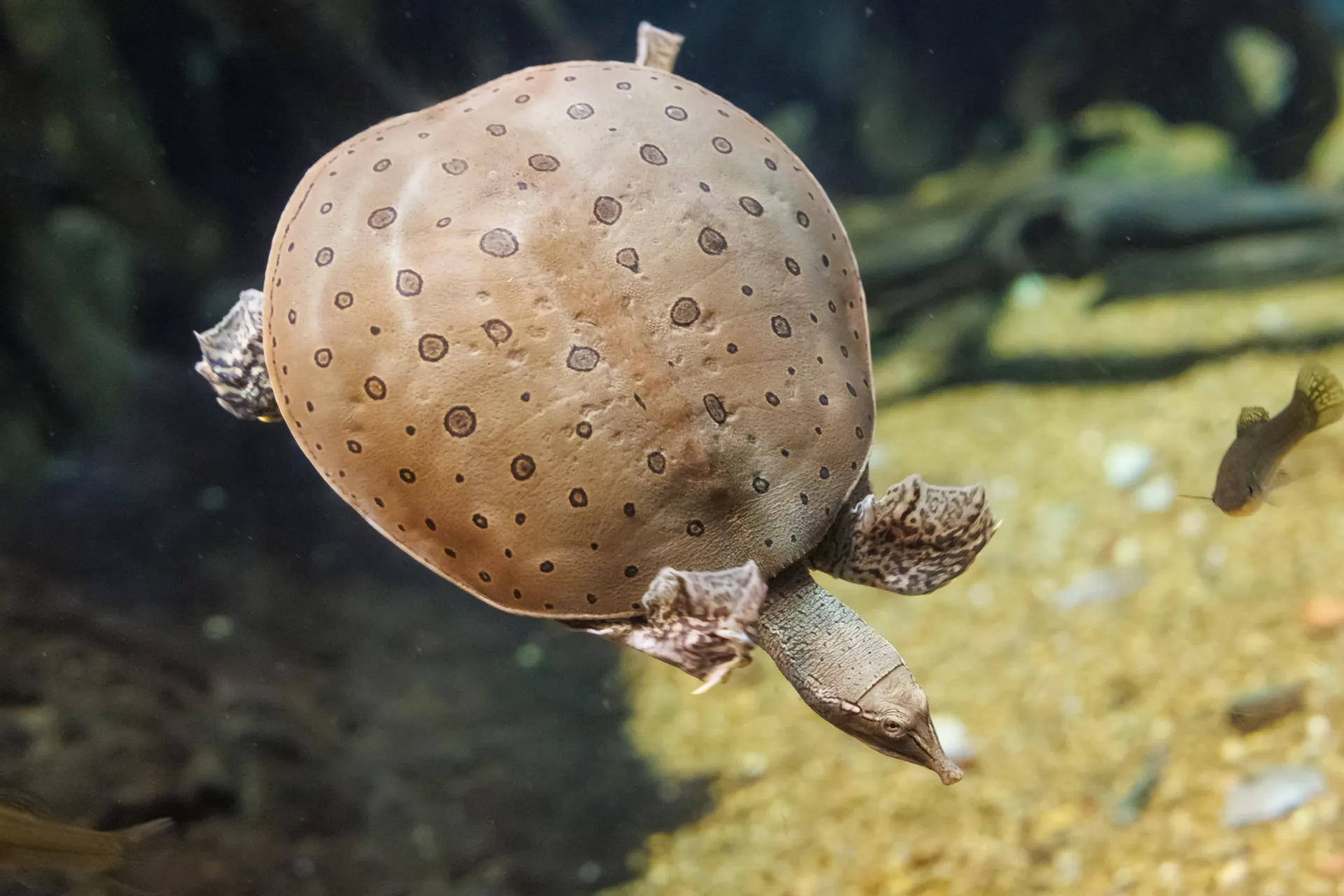
Freshwater turtles employ one of nature’s wildest winter survival strategies.
Like other reptiles, turtles are ectotherms (aka “cold blooded”), meaning they can’t control their body temperature.
Just because you’re not seeing them doesn’t mean they’ve gone away, though. Many freshwater turtles spend the coldest days of January and February buried in the — comparatively warmer — mud at the bottom of rivers and ponds.
As their body temperature drops in cold weather, turtles enter a slowed metabolic state called brumation, which reduces their need for resources like food and even oxygen. Even when the mercury plummets, however, turtles still need to breathe, which can be a problem if they aren’t surfacing for weeks at a time.
They solve this problem through cloacal respiration. (Essentially, they breathe through their butts.)
“They will be underwater for up to a couple of months, so obviously, they can’t breathe regular air,” explains Charlie Olson, the Aquarium’s senior herpetologist. “They take in oxygen from the water through cloacal gas exchange.”
Okay, it’s not really a butt — at least, not in the way humans think of them.
A cloaca is a multi-purpose opening used by reptiles, amphibians and birds for both reproduction and waste excretion. It’s surrounded by soft tissue that allows oxygen dissolved in water to pass into a turtle’s bloodstream.
“The tissue is very similar to salamander skin,” Olson says.
Cloacal respiration (butt breathing) doesn’t provide much oxygen, but during brumation, it’s just enough to keep a turtle going until conditions above the surface warm up.
Antifreeze in their veins
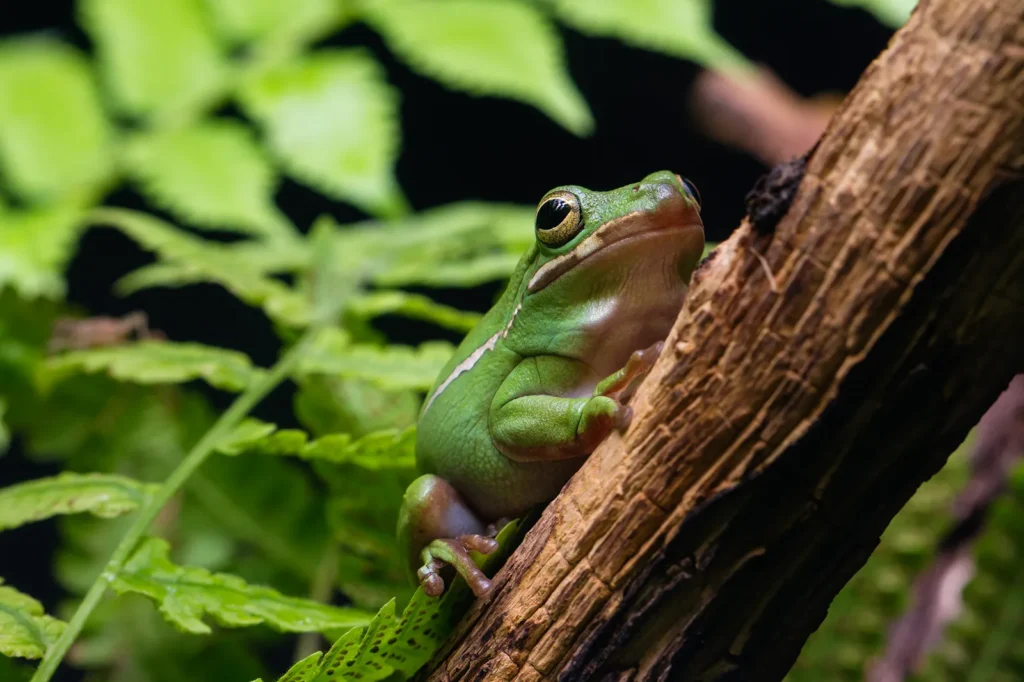
Speaking of salamanders, some salamander species and other amphibians like Wood Frogs have a different, if no less impressive, strategy for wintertime survival.
These amphibians produce high concentrations of metabolic enzymes like glucose and urea that act like biological antifreeze. Thanks to these compounds, they can endure freezing conditions, and their hearts can even stop beating without suffering lasting damage.
Though they don’t prevent the animal from freezing entirely, these enzymes protect the animal’s cells from rupturing due to the formation of ice crystals.
“Whenever you have ice, like if pieces of your body freeze, the ice crystals ruin your tissue,” Olson says. “These enzymes prevent that tissue deformation.”
Not to be outdone by the frogs, some turtle species, like Red-bellied Turtles, are equipped with this special antifreeze while also being able to breathe through their butts. (Showoffs.)
Though they can survive being frozen, “not freezing to begin with” is a more pleasant approach to overwintering. Even “un-freezable” amphibians employ strategies to avoid that scenario by burying themselves below the frost line in leaf litter, dirt or mud.
Survival of the slowest
Like the turtles hunkered down in the water, many animals survive winter by slowing down their bodies, but not all slowdowns are created equal.
· Hibernation is used by mammals such as bats, groundhogs and bears. Body temperature, heart rate and metabolism slow for prolonged periods.
· Brumation is employed by reptiles and amphibians, but it’s more circumstantial. Brumating animals become inactive, stop eating and dramatically reduce their oxygen needs during colder periods but become active again on warm days.
· Torpor is a short-term slowdown used primarily by birds and small mammals on the coldest days.
Safety in numbers
Not all cold-weather survival relies on internal chemistry. Some animals survive by being picky about where — and with whom — they choose to hunker down for the winter.
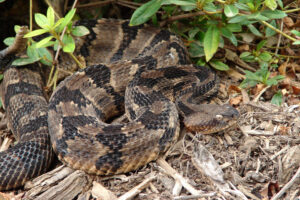
Snakes in the Southeast often gather in large communal, underground dens. Venomous snakes like Timber Rattlesnakes and Copperheads as well as nonvenomous species overwinter together and even return to the same dens year after year. Since they’re underground, temperatures in these shared spaces remain more stable than conditions on the surface.
Mammals like Southern Flying Squirrels employ similar strategies in winter, huddling together in tree cavities during cold winter conditions. [Editor’s note: Yes, it’s as adorable as it sounds.]