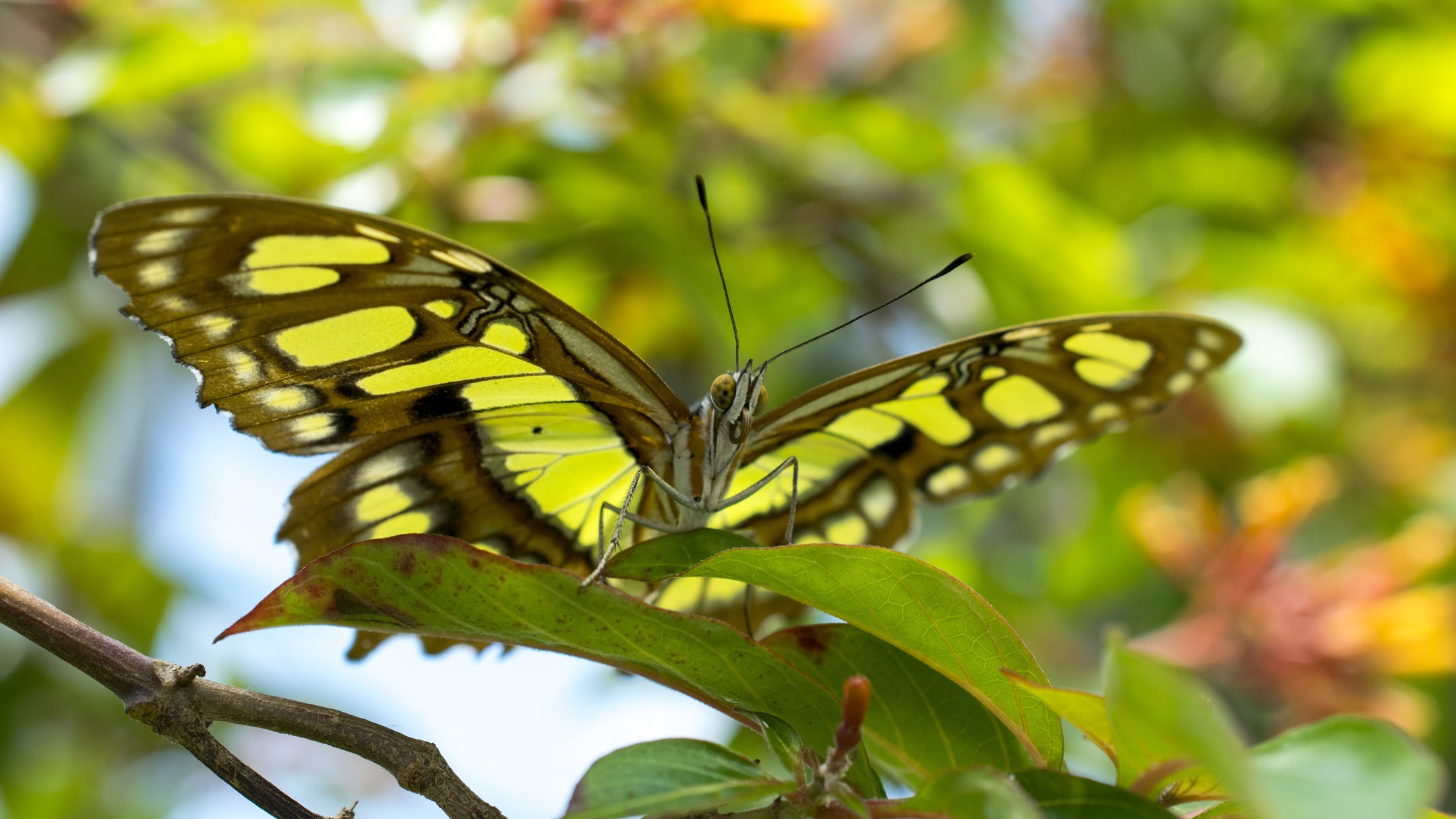
With their delicate beauty and a life cycle defined by a series of seemingly magical metamorphoses, butterflies are an endlessly fascinating order of insects.
This week is Pollinators Week, and to honor the vitally important role butterflies and other pollinators play, the Tennessee Aquarium IMAX 3D Theater is showing Butterfly Journey 3D during a limited screening run from today (Monday, June 22) through Sunday (June 28).
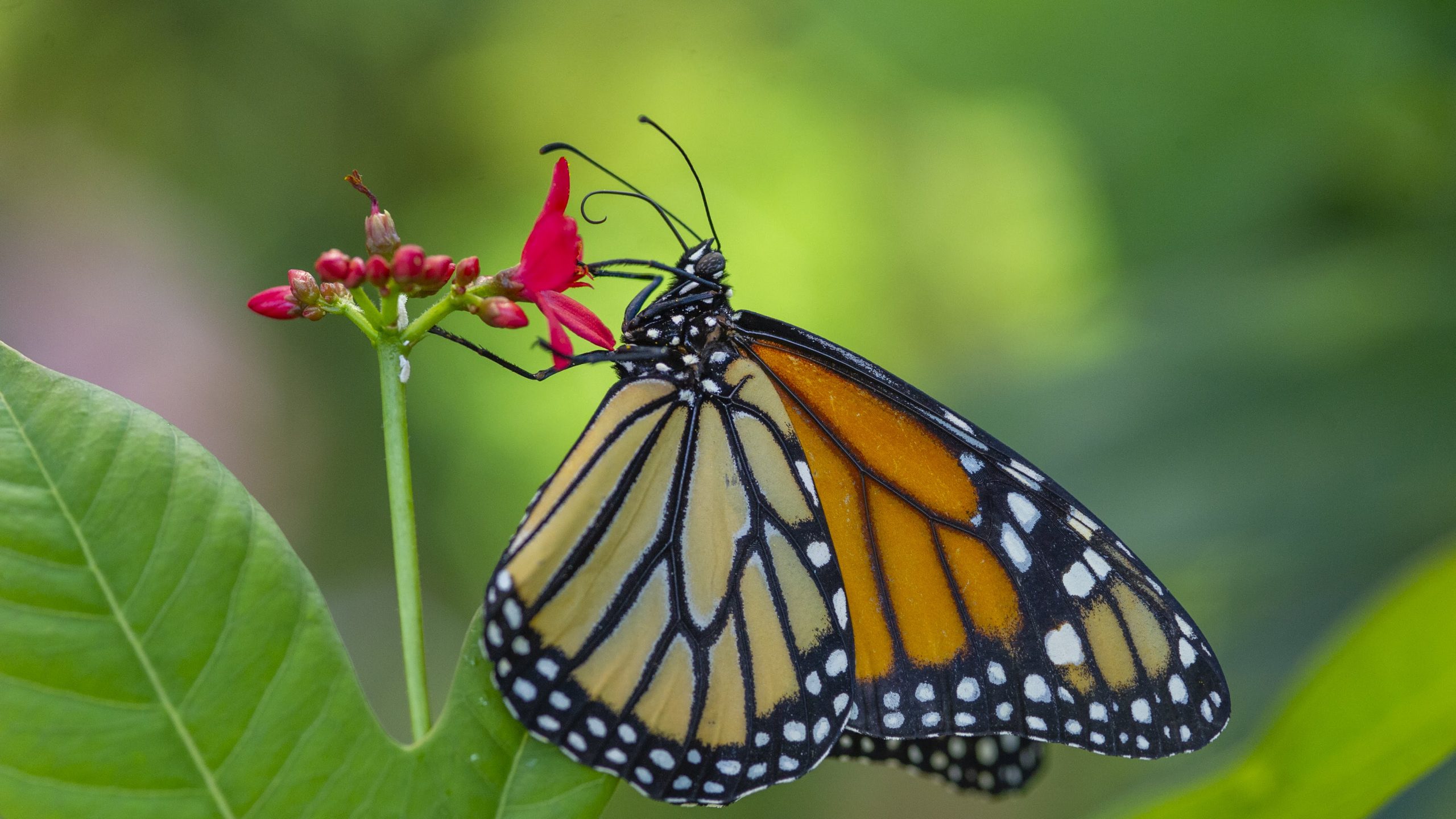
This new giant-screen film focuses on the epic migration of the Monarch Butterfly. In addition to breathtaking views of these iconic orange, black and white insects defying the odds on a voyage spanning thousands of miles, the film examines the impact this annual trek has on the environment and its significance to people around the world.
Now to really get your brain a-fluttering, try on five myth-busting, mind-boggling facts about these winged beauties.
1. Monarch, who?
Did you know the Painted Lady Butterfly has the longest migration of all butterflies? Most people know think the Monarch Butterfly’s near-3,000-mile migration is a record-setter, but it’s outclassed in distance flying by the Painted Lady.
This species is the world’s most widespread butterfly, with a range encompassing every temperate region on the planet, but its ability to cover vast distances is even more noteworthy. Each year, Painted Lady Butterflies make a journey nearly three times as long as the Monarch as they migrate between Europe and Africa.
As they make this trip, they fly high and fast, too, with researchers clocking adults fluttering their way southward at an altitude of more than 1,600 feet and at speeds in excess of 30 miles per hour!
2. Out, out, brief butterfly!
Most species of butterflies spend much of their time as ground-bound caterpillars, with their adult, winged form representing a significantly smaller percentage of their overall lifespan. Once free flying, many species only live between two to four weeks, such as the Banded Orange Butterfly. During this life stage, a butterfly’s primary purpose is using their newly acquired mobility to find and reproduce with a mate, setting the stage for a new generation.
Nevertheless, there is a certain butterfly with an even shorter life expectancy: the Lime Swallowtail Butterflies. Males of this widespread tropical and subtropical species only live about four days, while females last a little longer — about a week.
3. Toxic delivery
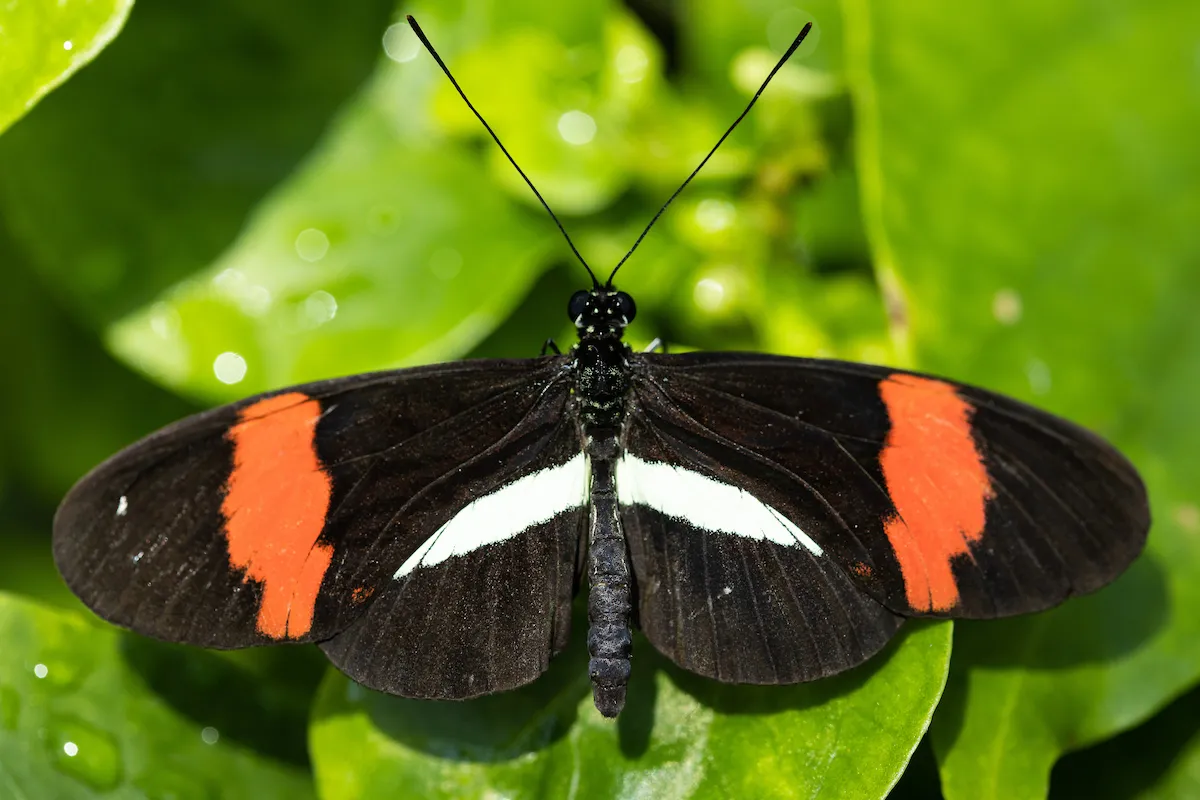
The Postman Butterfly, a Central and South American species, sports red bands on its wings that serve as a warning to others of its toxicity and foul taste. A Postman’s toxicity stems from eating poisonous passionflower as caterpillars. Compounds such as cyanogenic glycosides and alkaloids found in these plants remain in the bodies of adult Postman, creating a lingering deterrence to would-be predators. Some otherwise harmless butterflies mimic the Postman — a strategy known as “Batesian mimicry” — to piggyback on predators’ natural leeriness.
4. A loooong family tree
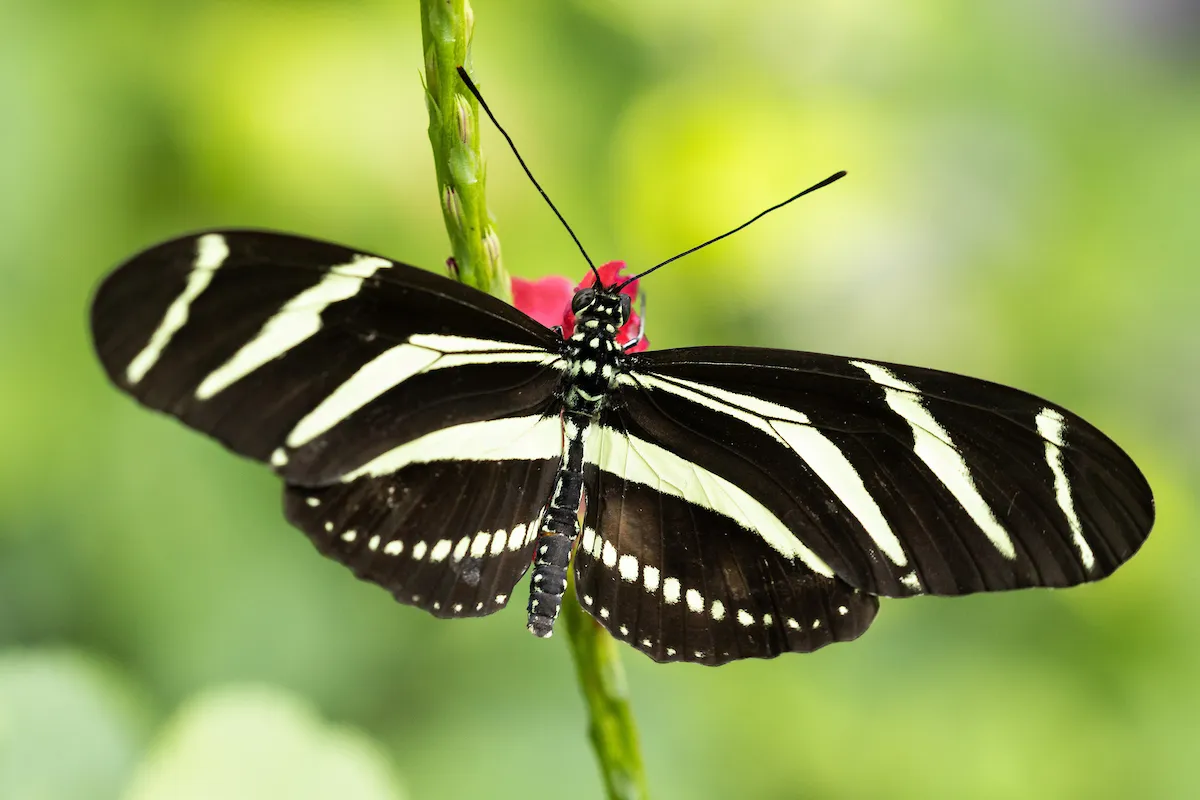
The Postman is one of a BIG group of butterflies known as “longwing” or “heliconian” butterflies. About 48 species of butterflies belong to this taxonomic group (the family Heliconius and the subfamily Heliconiinae). Insects classified in this group share similarly narrow, elongated wings, but their diversity was of particular interest to English naturalist Henry Bates (of “Batesian mimicry” fame). Bates’ study of longwings lent greater authority to the theories of Charles Darwin.
The Aquarium’s Butterfly Garden typically exhibits a couple of different species of longwings, but these are just the tip of the taxonomic iceberg. Along with our Cydno and Julia Longwings, this family also includes memorably named species such as the Piano Key Butterfly and Gulf Fritillary Butterfly.
5. No appetite for life above ground
The Great Spangled Fritillary, a native Southeastern butterfly, has an enormous wingspan of 2.5 to 4 inches, but long before they’re spreading those gigantic wings, they spend most of their life below ground.
Great Spangled Fritillary caterpillars hatch in the fall before overwintering in burrows. They won’t take their first bite of food until spring, a physiological process known as a “diapause.” During this time, the caterpillars undergo a sort of insect hibernation. Even after emerging, Great Spangled Fritillaries spend the majority of their life on the ground, munching on violets, before they become full-fledged butterflies
For more information about butterflies, be sure to visit our Butterfly Garden’s website. If Podcasts are more your speed, check out an episode of the Podcast Aquatic focused on the amazing adaptations and undertakings of Monarch Butterflies.