Chattanooga, Tennessee. (April 29, 2026) – As the world’s largest continent, it’s perhaps unsurprising that Asia’s list of superlatives is so long.
Sprawling across 11 time zones, it is home to the world’s highest peak (Everest), deepest lake (Baikal) and most populous city (Jakarta).
Earth’s largest big cat (Siberian Tiger) lives in Asia, as does the biggest lizard (Komodo Dragon), the smallest mammal (Bumblebee Bat) and the longest snake (Reticulated Python).
Given this glut of extraordinary landscapes and species, it’s surprising that Asia managed to evade the award-winning filmmakers of BBC Studios’ Natural History Unit for as long as it did.
“It’s something we kind of scratched our heads on when we came to the project because it felt like such a no-brainer,” says Matthew Wright, the director of BBC Earth’s Wild Asia: Life at Extremes 3D. This new giant-screen film begins daily screening at the Tennessee Aquarium IMAX 3D Theater on May 15.
“Asia is like a meeting place between Africa and Europe, and it practically touches North America over the Bering Strait,” Wright adds. “You get this fantastic flow of animals across Asia. It’s just a glut of creatures.”
Before directing Wild Asia, Wright acted as series producer for the BBC’s Asia (aka Planet Earth: Asia in North America). Released in 2024, this seven-episode TV series journeyed across the continent, with each episode homing in on a different region’s geography and wildlife.

For Wild Asia: Life at Extremes 3D, audiences embark on a 45-minute overview of Asia in the company of Academy Award-winning narrator Colin Firth (The King’s Speech). The film makes the best use of its comparatively condensed runtime to serve up a greatest hits-style selection of scenes from the TV series, enhanced by the grand scope and immersive 3D imagery only a giant-screen film can offer.
“The 3D is quite remarkable,” Wright says. “Hand in hand with the giant screen, those two things to me are just so powerful.”
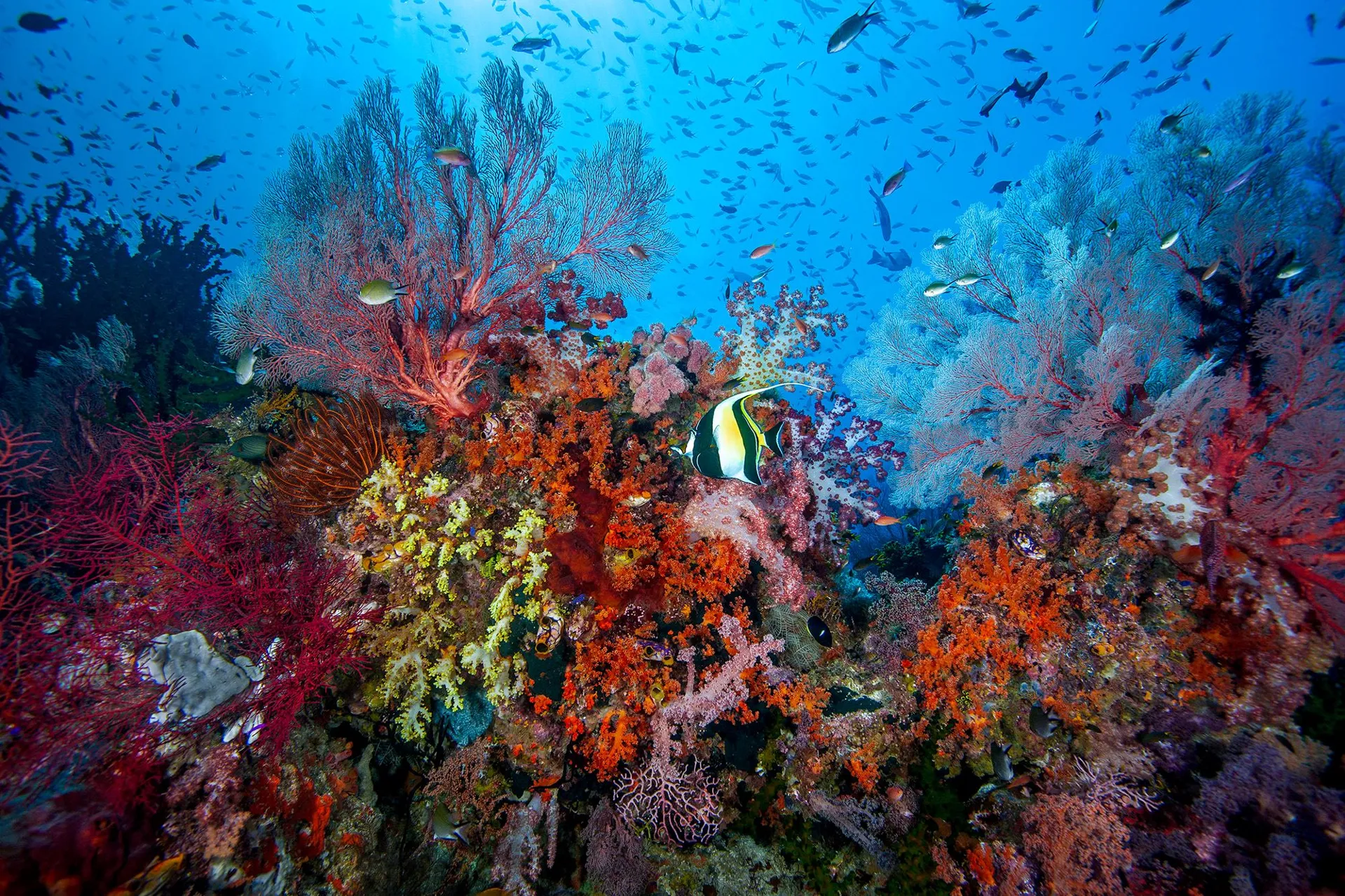
Wild Asia: Life at Extremes 3D presents a parade of stunning vistas, from soaring aerials of the Himalayas and windswept Tibetan Plateau to the misty tree-tops of monsoon forests and riotously colorful reefs in the Coral Triangle.
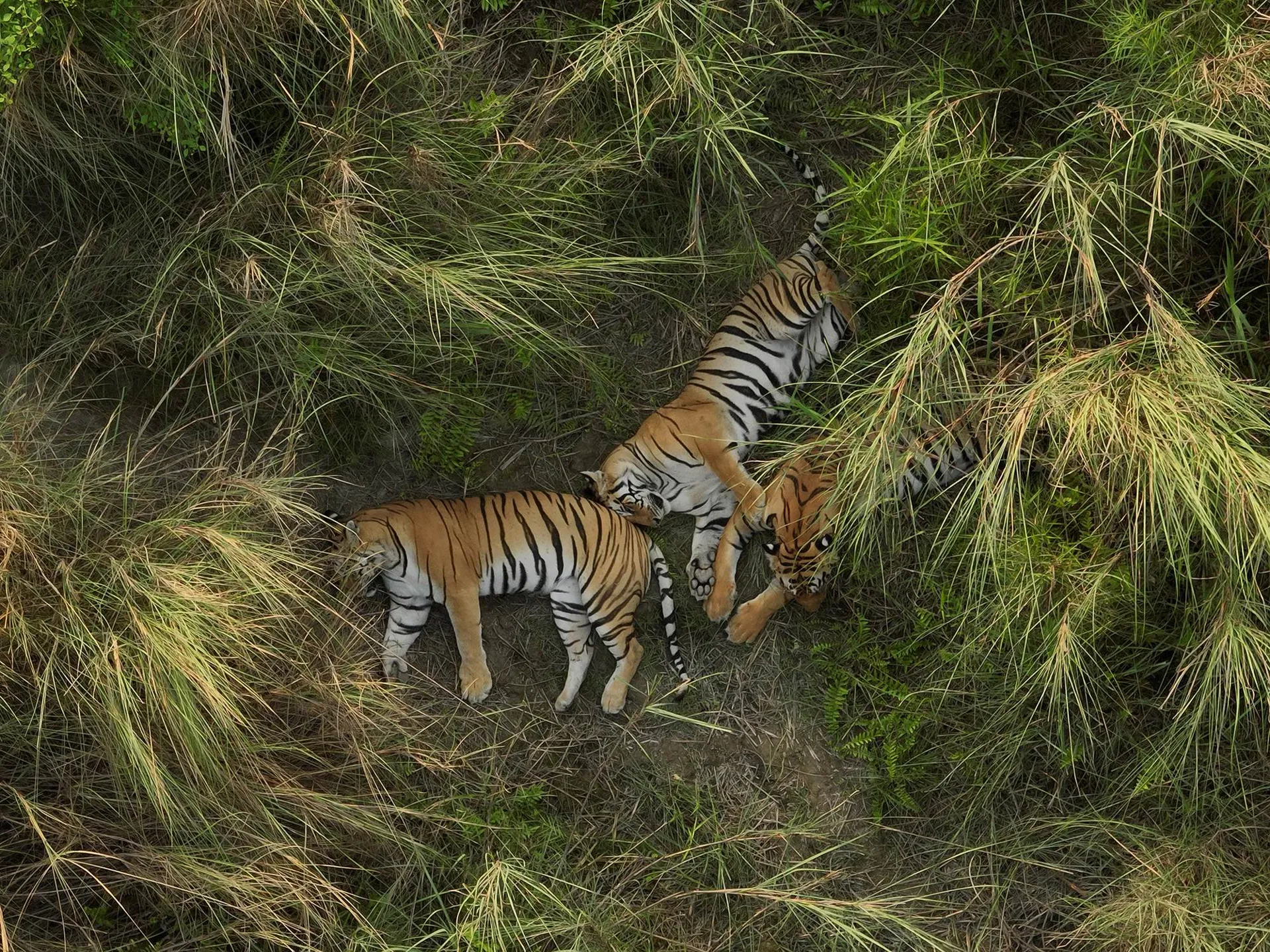
Along the way, audiences will encounter a who’s who of Asian species, from charismatic favorites like Giant Pandas and Bengal Tigers to lesser-known residents like the Mudskipper, an amphibious goby that is a literal fish out of water. One memorable sequence zooms in on the Jerboa, a tiny insect-hunting mammal in the Gobi Desert that looks to have been assembled from mismatched parts with the tufted tail of a lion, the ears of a rabbit, the legs of a kangaroo and the snout of a pig.
“It’s jumping up in the air trying to catch moths, and when you see this Jerboa leaping in three dimensions, you almost feel it’s going to come down and land on top of you,” Wright says, laughing. “That scene is so removed from what you can do on television.”
On Tuesday, May 5, Wright will visit the Tennessee Aquarium IMAX 3D Theater for a special preview screening of Wild Asia: Life at Extremes 3D at 6:30 p.m. Afterward, he will host a brief presentation about the making of the film and TV series.
Wild Asia: Life at Extremes 3D is presented locally by Window World of Chattanooga.
Tickets to the May 5 screening of Wild Asia: Life at Extremes, featuring director Matthew Wright, are $9.95 for ages 4 and up. Audience members under 4 may accompany a ticketed adult for free.
To learn more or purchase advance tickets, visit https://tickets.tnaqua.org/events/019d8819-45e2-43c4-5341-60bd2665f901