
In the near-decade since lemurs came to the Tennessee Aquarium, they’ve delighted millions of guests, whether by bounding across their habitat on spring-loaded limbs or just contentedly napping together in sun-drenched piles.
Today, the Aquarium is saddened to announce the passing of Yoda, a 10-year-old Ring-tailed Lemur whose abundant energy and impish antics have been beloved fixtures of the Lemur Forest exhibit since it opened in 2017.
Lemurs are highly social animals, and many of the residents of Lemur Forest are siblings.
Yoda and his twin half-brothers Gil and Skip came to the Aquarium in 2016. Yoda was the youngest of this family group, but he got his way more often than not, says Ocean Journey Lead Animal Care Specialist Maggie Sipe.
“Yoda was a classic little brother,” she says. “He was smaller than everyone else, a really picky eater and an instigator, but I have many videos of them sharing flowers and food, cuddling and being silly.”
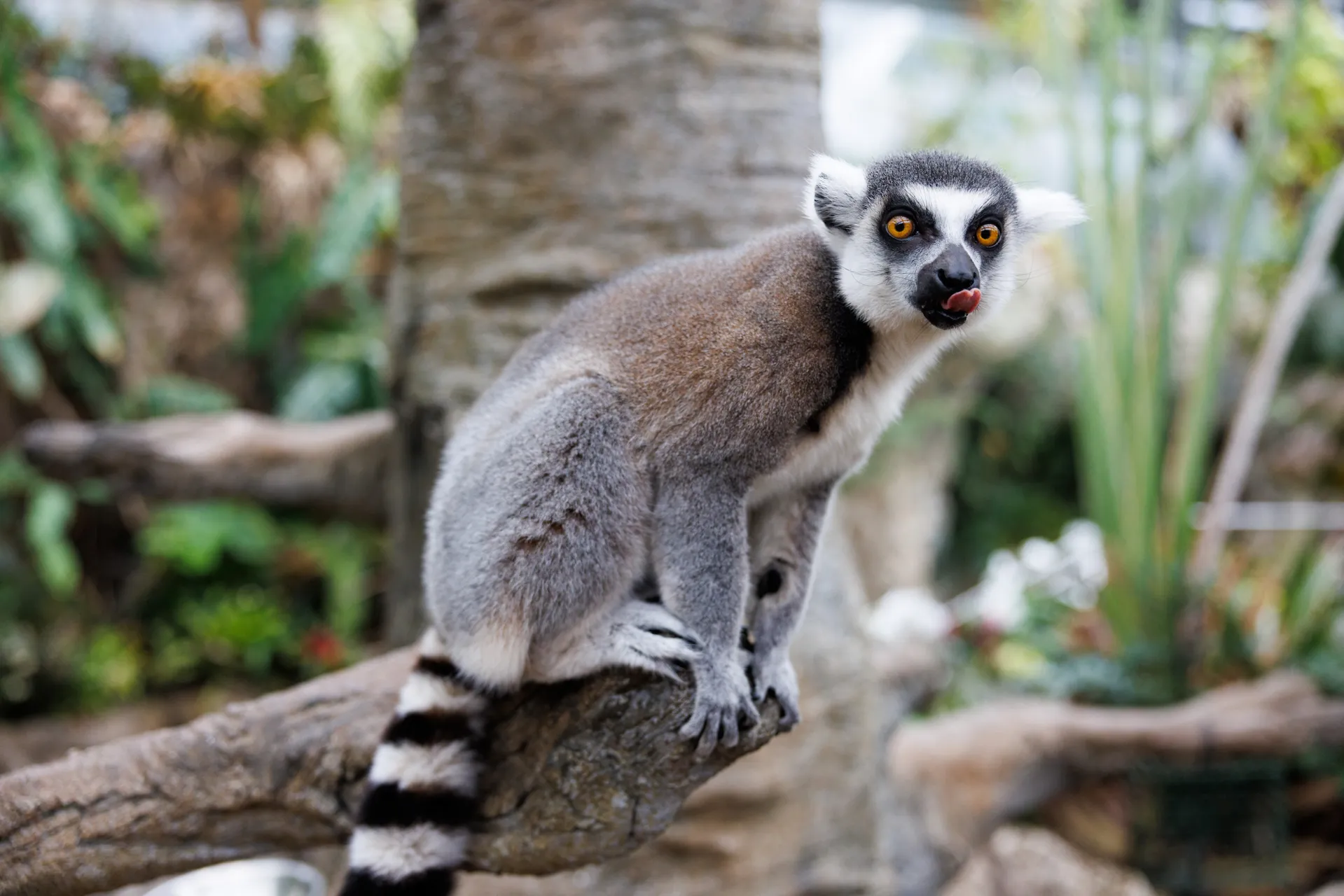
Yoda began his life on uncertain terms. Born by C-section, he came to the Aquarium with a permanently crooked finger from an early-life injury and fur missing from the bottom half of his tail.
“Honestly, people weren’t sure how he was going to do, long term,” Sipe admits.
Nonetheless, Yoda thrived in Lemur Forest and became notorious for having overflowing reserves of pent-up energy.
During training sessions, the members of the lemurs’ care team often found it easier to let him get his zoomies out of the way before trying to make headway with anything too constructive.
“It was in your best interest to have him bounce around a lot from point to point to start to get some of that excited energy out of him,” Sipe says. “When he would sit on his station, he would usually sit his butt on it, grab it with his hands and rock back and forth between every bit of reinforcement — no matter how much jumping around you had him do.”
Even though Yoda was outsized by his brothers, he still turned to them in times of need, Sipe recalls.
“He was not as brave as our other Ring-tails — always more hesitant and nervous,” she says. “He was always looking to his big brothers for back up.”
Yoda was everyone’s little brother. I am so grateful I got to be a part of his life for the last seven and a half years.
Maggie Sipe
Ocean Journey Lead Animal Care Specialist
Among lemurs, grooming and acts of aggression are key behaviors that help to establish the social hierarchy that anchors lemur group dynamics. Periods of heightened aggression are a natural part of the annual cycle in lemur troops.
Because of his size, most of Yoda’s care team describe him as being at the bottom of the hierarchy in Lemur Forest, which was especially evident in the fall when tempers naturally tended to flare.
“This is their time of year when the lemurs tend to act more aggressively,” says Curator of Forests Kevin Calhoon. “If they’re not doing that, there’s something wrong.”
Last week, Yoda was found unresponsive and breathing shallowly on the floor of the lemurs’ off-exhibit backup space. That discovery prompted an immediate and highly coordinated response by the Aquarium’s veterinary and animal care teams.
“We had people there in minutes,” Calhoon says. “They were on it immediately. They had oxygen on him; they did all the right things.”
To better determine the nature and extent of Yoda’s assumed injury, Aquarium Veterinarian Dr. Chris Keller requested diagnostic help from a computed tomography (CT) specialist at VCA Regional Institute for Vet Emergencies and Referrals on Amnicola Highway.
“We had him over there in an hour, which is amazing to think about,” Calhoon says.
That scan revealed a skull fracture behind Yoda’s eye. This resulted in internal bleeding and a buildup of blood that was putting pressure on his brain.
To relieve that pressure, the Aquarium requested the assistance of Dr. Jessica Leeman, an Ooltewah-based veterinary surgeon. Dr. Leeman is board-certified by the American College of Veterinary Surgeons.
“Way faster than at a human hospital, Yoda had already received a CT scan and had a board-certified surgeon standing next to him,” Dr. Keller says. “It was a very, very rapid response, and it certainly wasn’t for want of trying that he passed away.”
Dr. Leeman was able to address the bleeding by removing a small piece of bone near the wound. Despite the success of that procedure, however, Yoda’s injury was so severe that his caretakers determined he would never regain consciousness. At that point, the decision was made to humanely euthanize him.
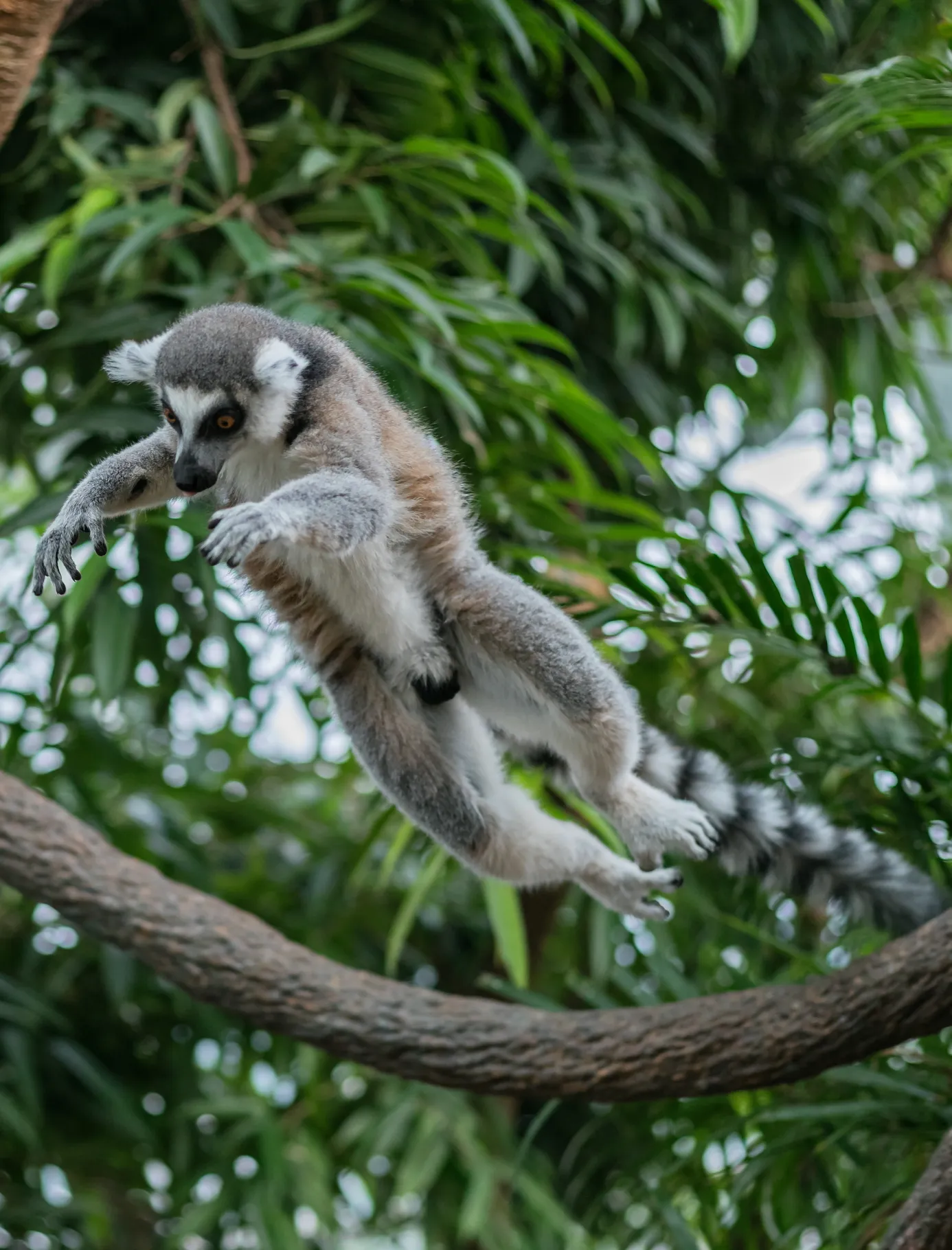
The lemur team had many nicknames for their most-diminutive rabblerouser like “Our Special Boy” and — Sipes’ personal favorite — “Yoda Boba.” His absence has deeply affected them.
Yoda had two brothers, but in a sense, he was part of a much larger family and will be missed accordingly, Sipes says.
“Yoda was everyone’s little brother,” she says. “I am so grateful I got to be a part of his life for the last seven and a half years.
“Our grief is proof that he mattered. All of our animals’ lives here matter. Yoda still matters, and he always will.”