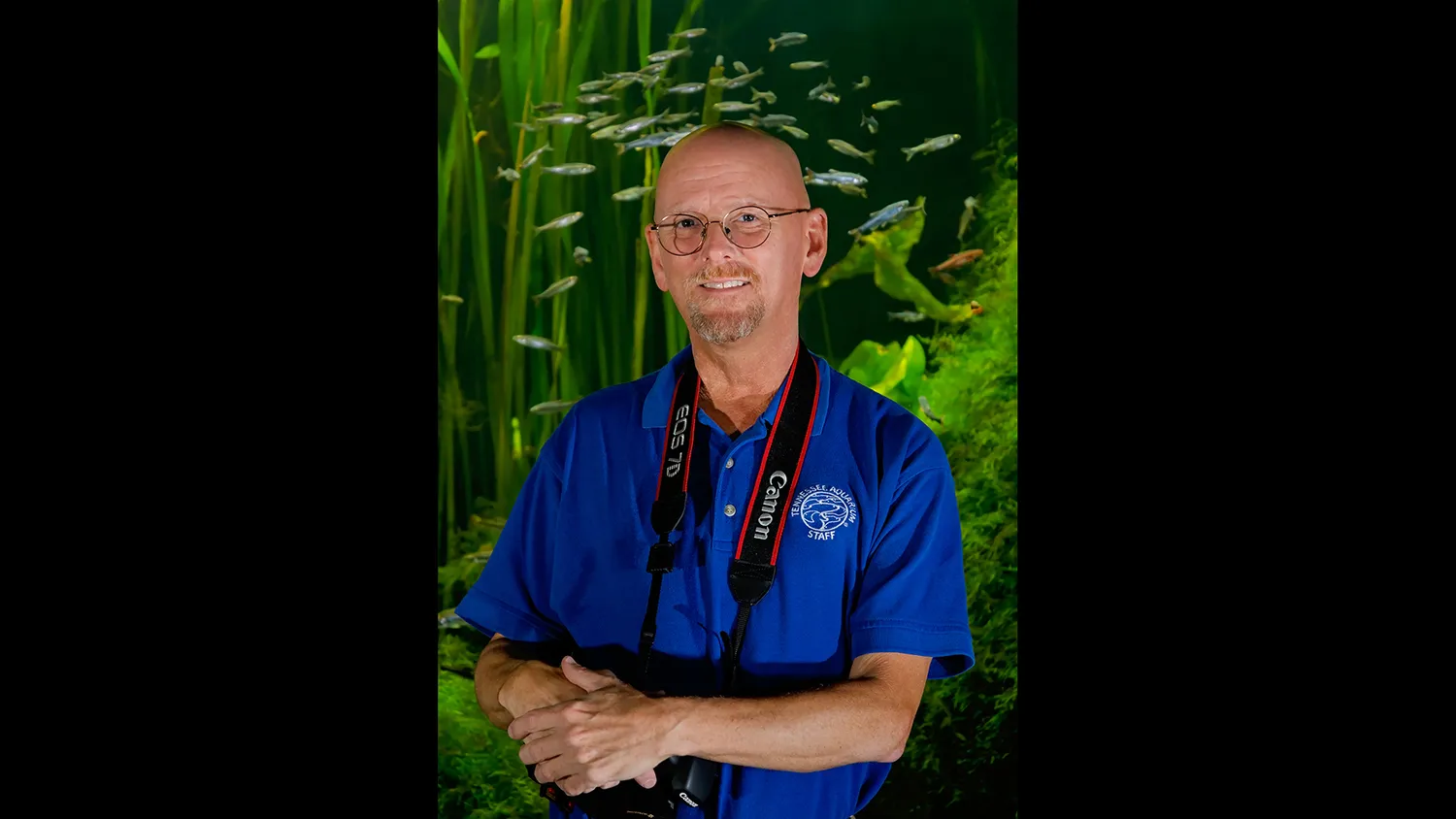
If a picture is worth a thousand words, Todd Stailey’s nearly 34-year career at the Tennessee Aquarium could generate one of the lengthiest novels ever written.
Over more than three decades, the staff photographer has captured images of the animals and the people who make the Tennessee Aquarium one of the best professional facilities in the country for animal care and guest experience. His photographs have been featured on billboards and in publications worldwide, and his images have appeared on the cover of the Association of Zoos and Aquariums Connect magazine dozens of times.
Now, Stailey is hanging up his cameras and leaving the Aquarium for a well-deserved retirement from a career that began in 1992. At the time, Stailey had just gotten out of the army and was working part-time at a local army surplus store when he heard about the construction of a new aquarium on the Chattanooga riverfront.
Figuring that he needed a full-time job, Stailey met with the Aquarium’s human resources team, who were busy building a team in the months before the facility opened its doors. They recognized his experience as a process server, runner, and mailroom clerk for local law firms before his time in the service. He was hired to establish the Aquarium’s first mailroom, but he wouldn’t remain in that role for long.
“I’ve always loved wildlife photography,” Stailey says. “I did a lot of landscapes and stuff like that when I was younger.”
He brought that passion to work and began taking pictures of the animals and exhibits during his spare time.
“After a few months, John Kelley, who headed the Audio-Visual Department, saw me taking photographs on my own one morning,” Stailey says. “I had my camera – at the time a Nikon 6006 – and that’s what the department’s camera was. He said, ‘Why don’t you come work for me?’”
His additional background in the audio field sealed the deal, and Stailey landed the role that would define the rest of his career. Kelley shoved a pack of Novatron flash heads, a professional Polaroid camera, the department’s Nikon, and a pile of film into his hands and said, “Figure it out!”
From that moment forward, Stailey was a professional fish photographer. He learned how to use studio lighting to illuminate the Aquarium’s largest exhibits for marketing photographs, and he was responsible for creating the fish “ID” photos displayed around each exhibit, which help guests identify the species housed there.
Stailey is especially proud of his work with the facility’s aquarist team to ensure those ID pictures – which are usually taken in an off-exhibit backup area using a small aquarium modified for photographs – caused minimal stress to the fish.
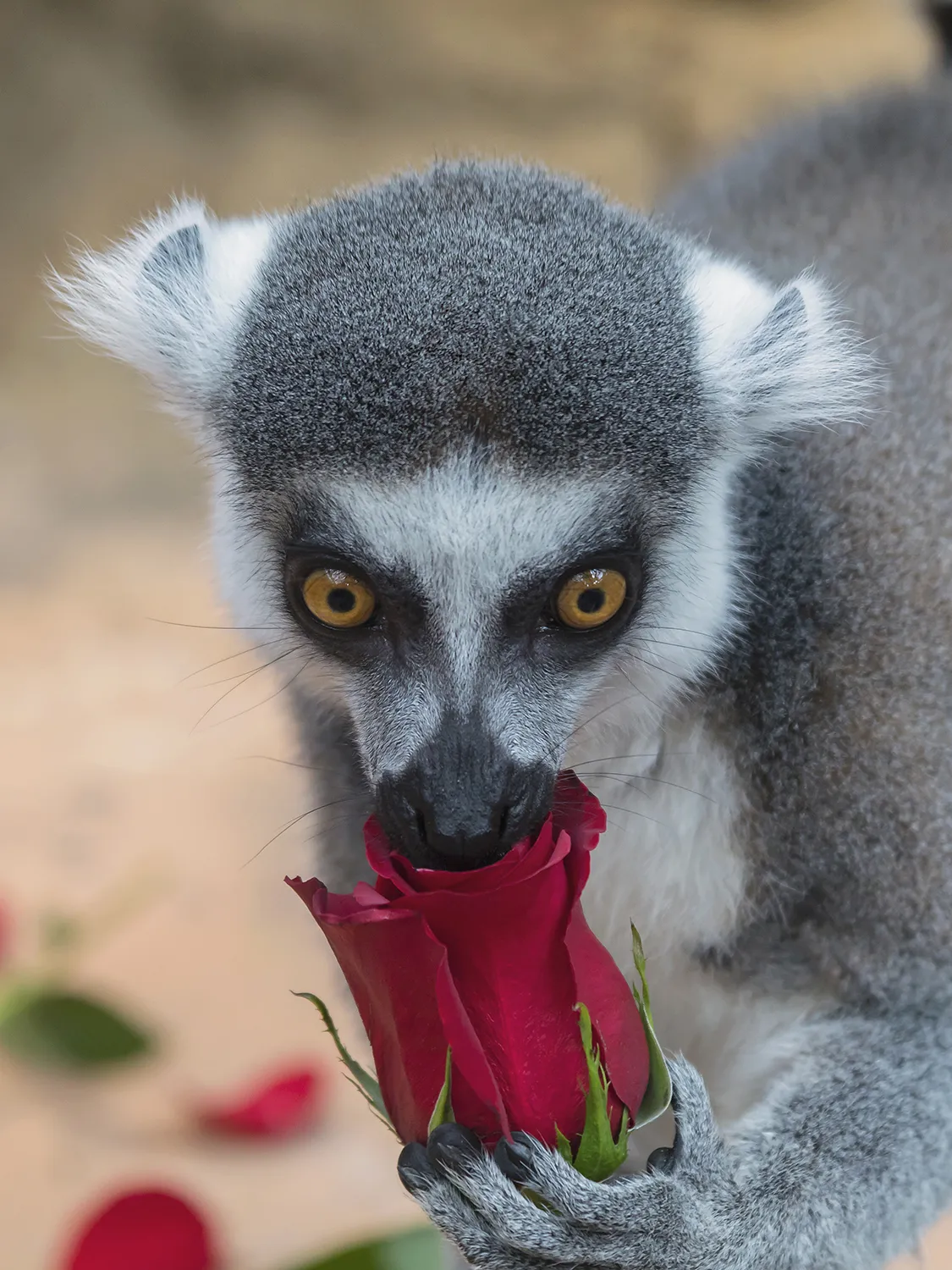
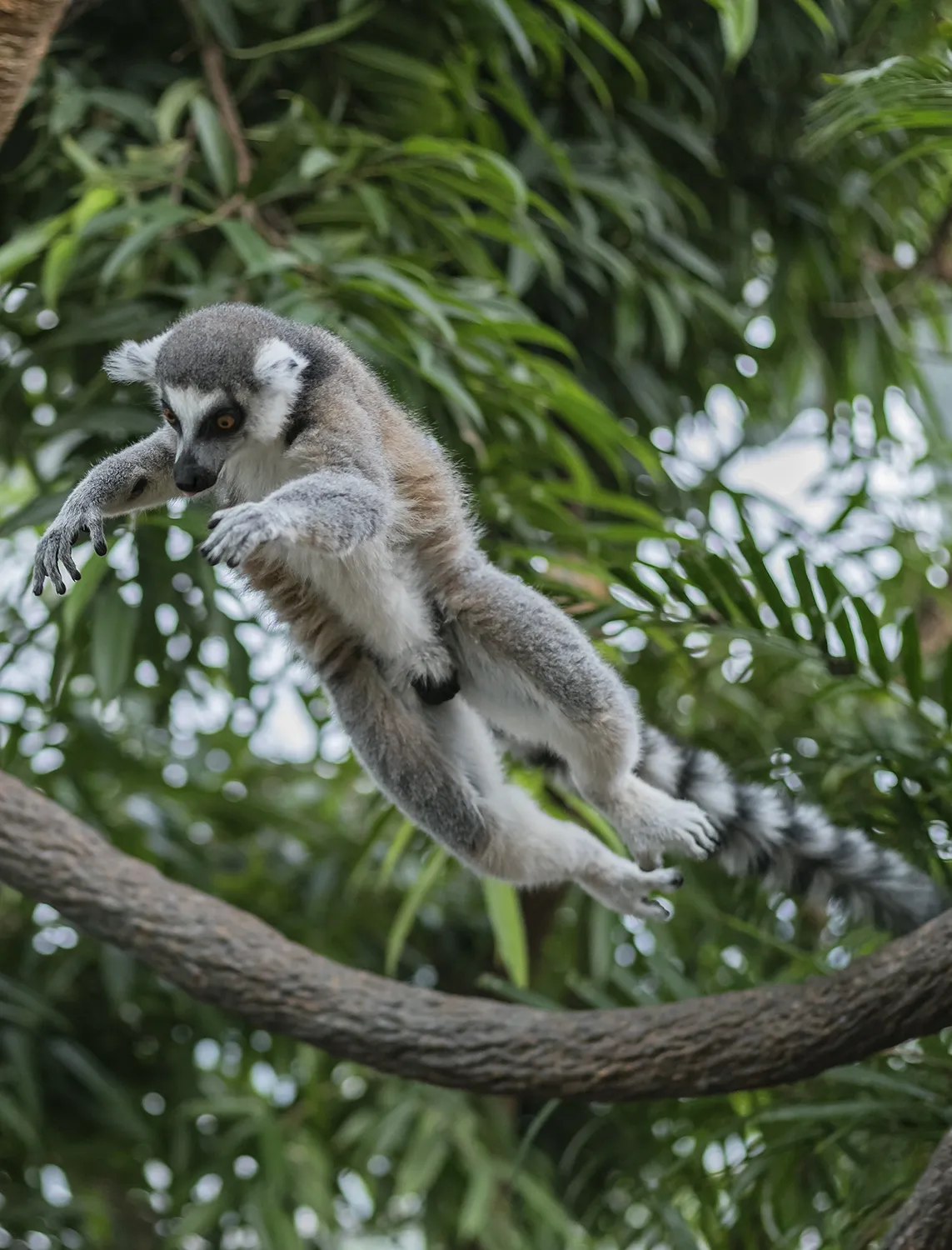
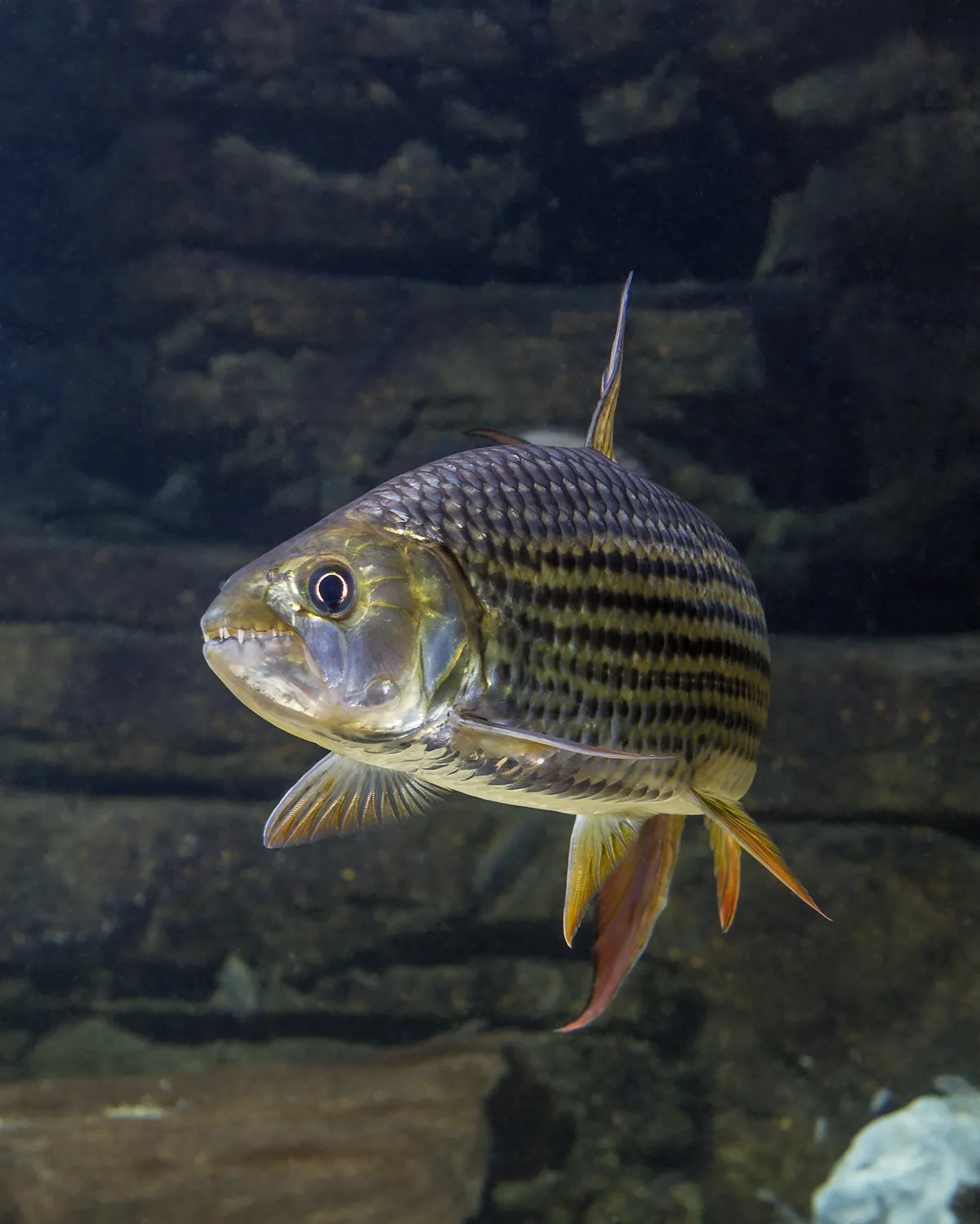
With hundreds of thousands of photos taken over his career, it’s difficult for Stailey to pick out all of his favorites (or even his favorite fish). Still, he has a few standouts, which we’re featuring throughout this story.
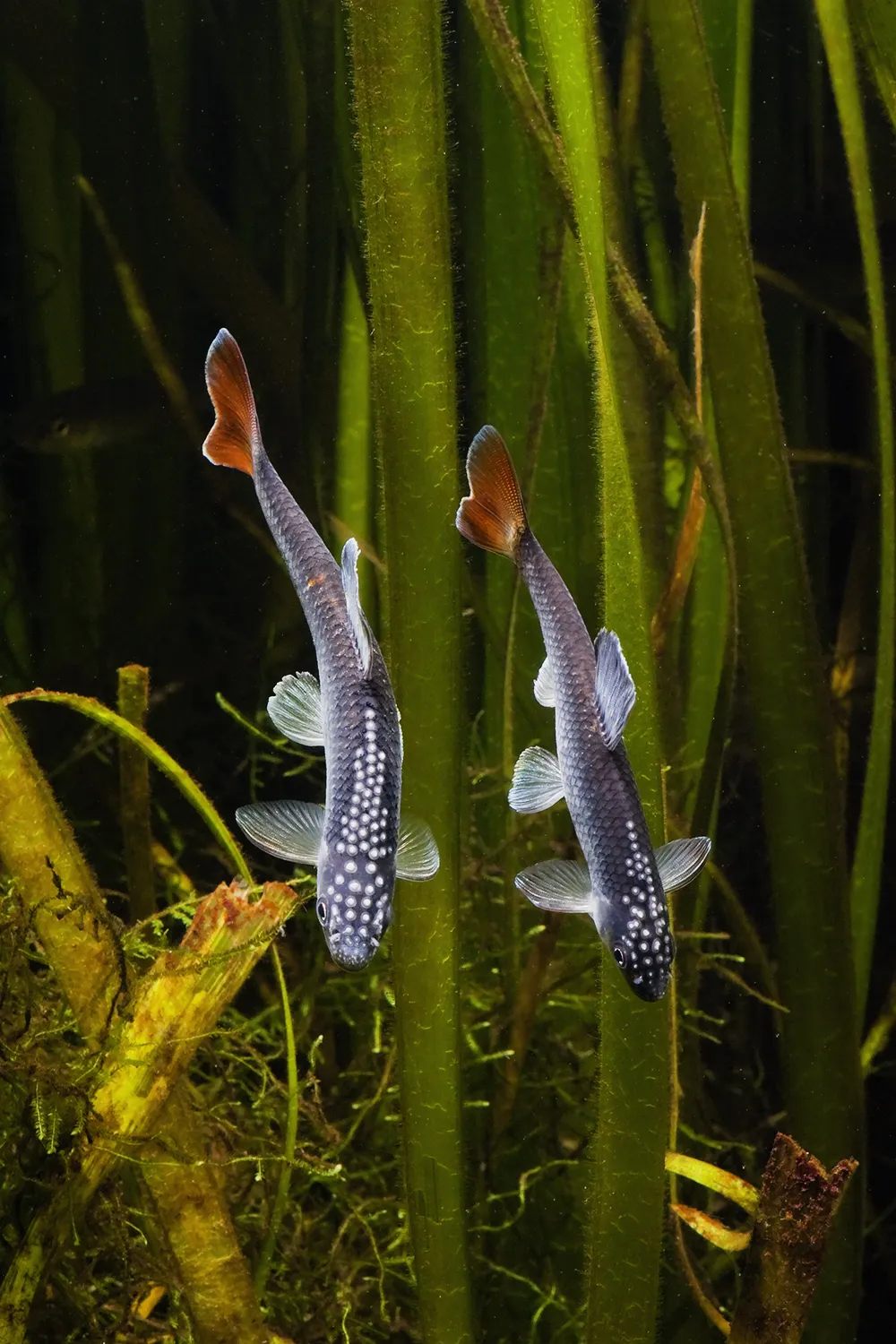
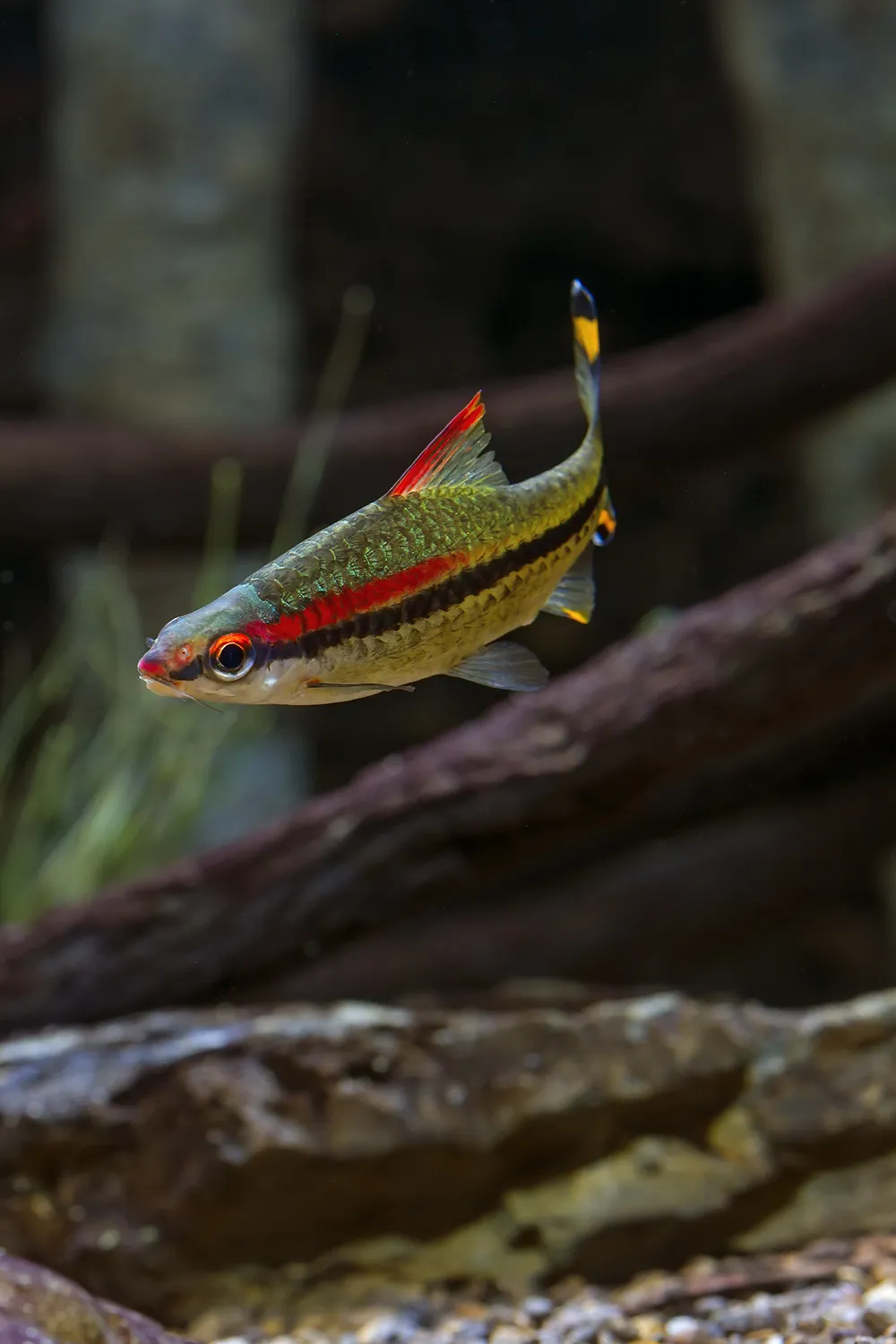
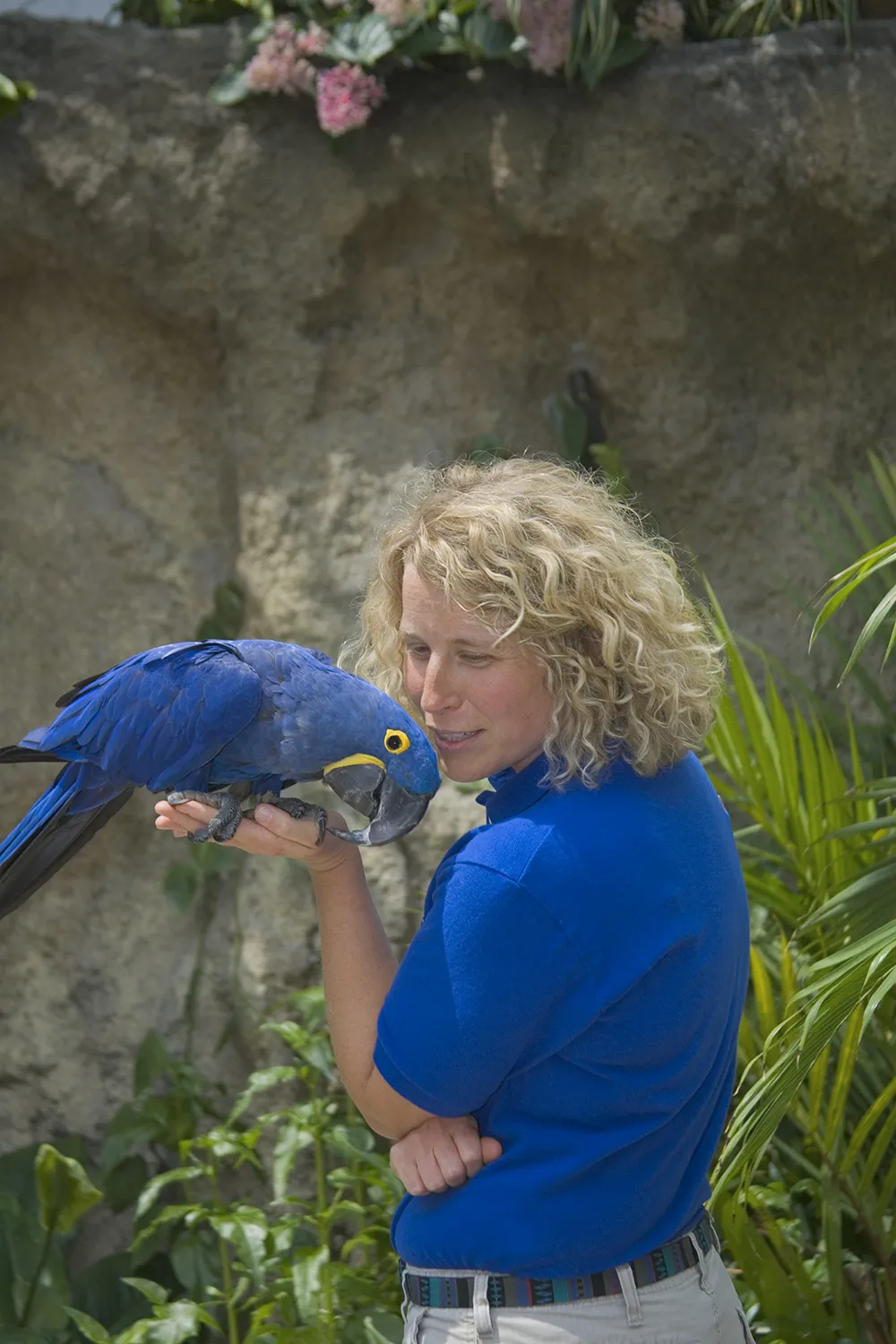
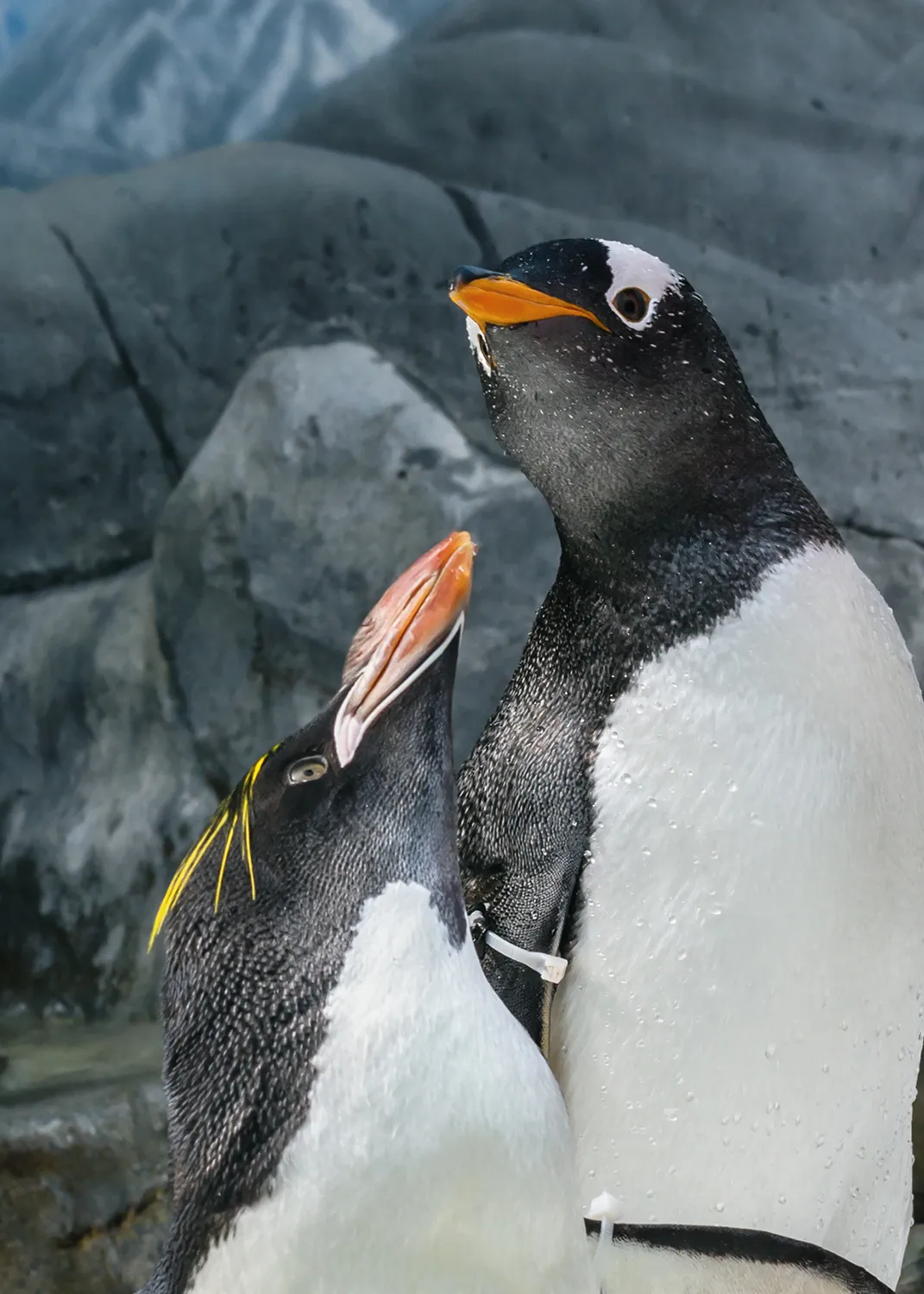
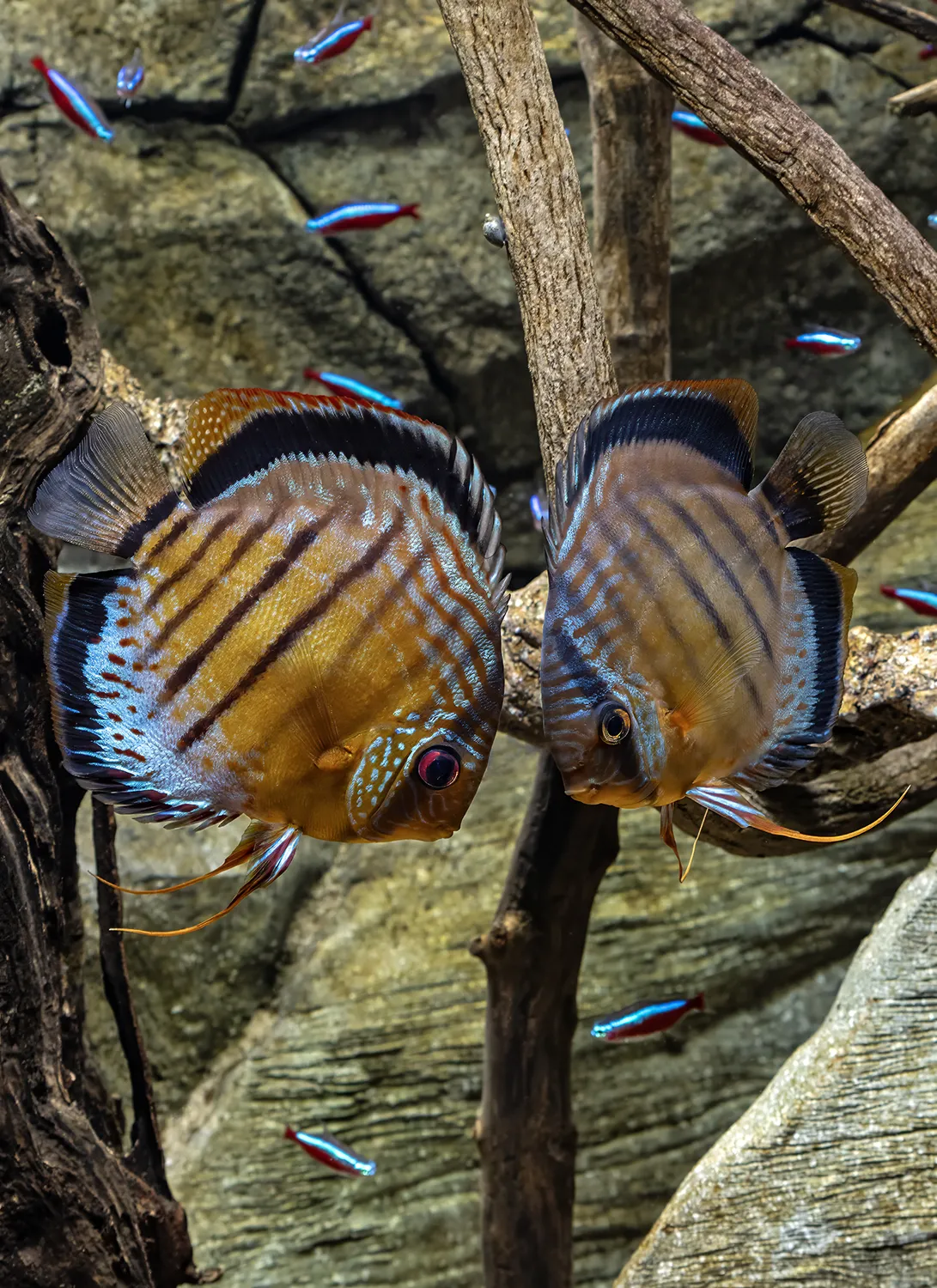
While most of Stailey’s career was spent photographing within the Aquarium’s walls, he also spent time in the field documenting the work of the facility’s conservation teams.
Among his memorable moments from those trips, Stailey fondly recalls levity, like the time a ratsnake musked him or when he was bogged down in the mud on a field outing to the Hiwassee River.
“I’m walking along carrying this big camera which weighed as much as I did, and I sink up to my hip in the silt,” Stailey recalls. “I’ve got one leg down, the other one is up, and I’m off-balance with the camera, and I say, ‘A little help?!’ It took two of them to pull me out because of the suction.”
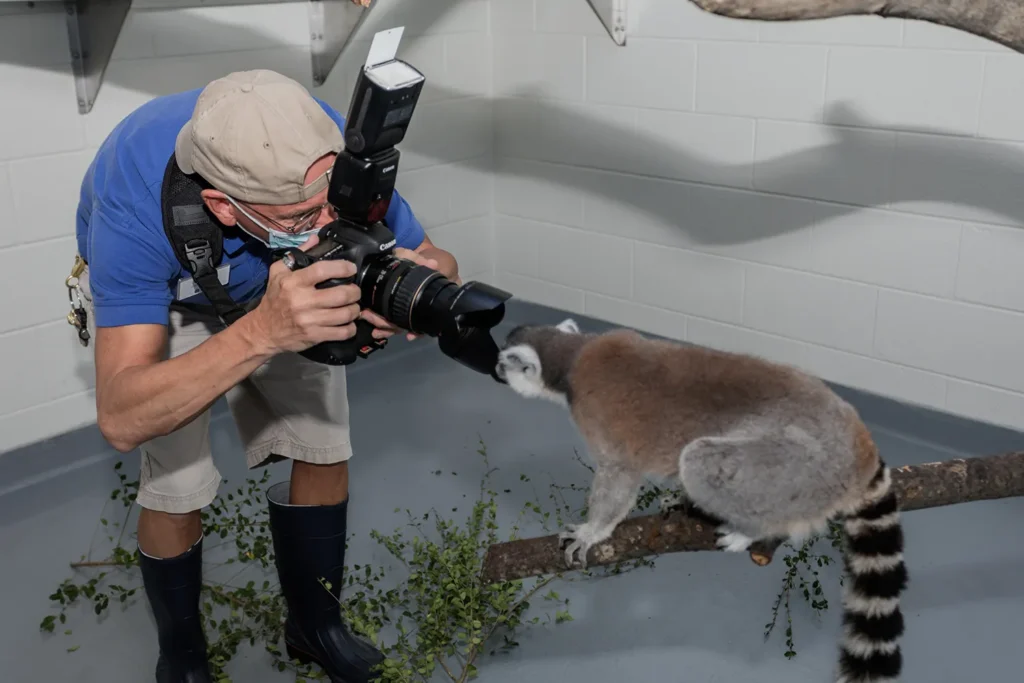
While fish were naturally Stailey’s bread-and-butter subjects at an aquarium, he also took plenty of pictures of the facility’s mammals over his career. He is especially fond of the Ring-tailed Lemurs.
“They’ve always been a lot of fun, they’re comical,” he says.
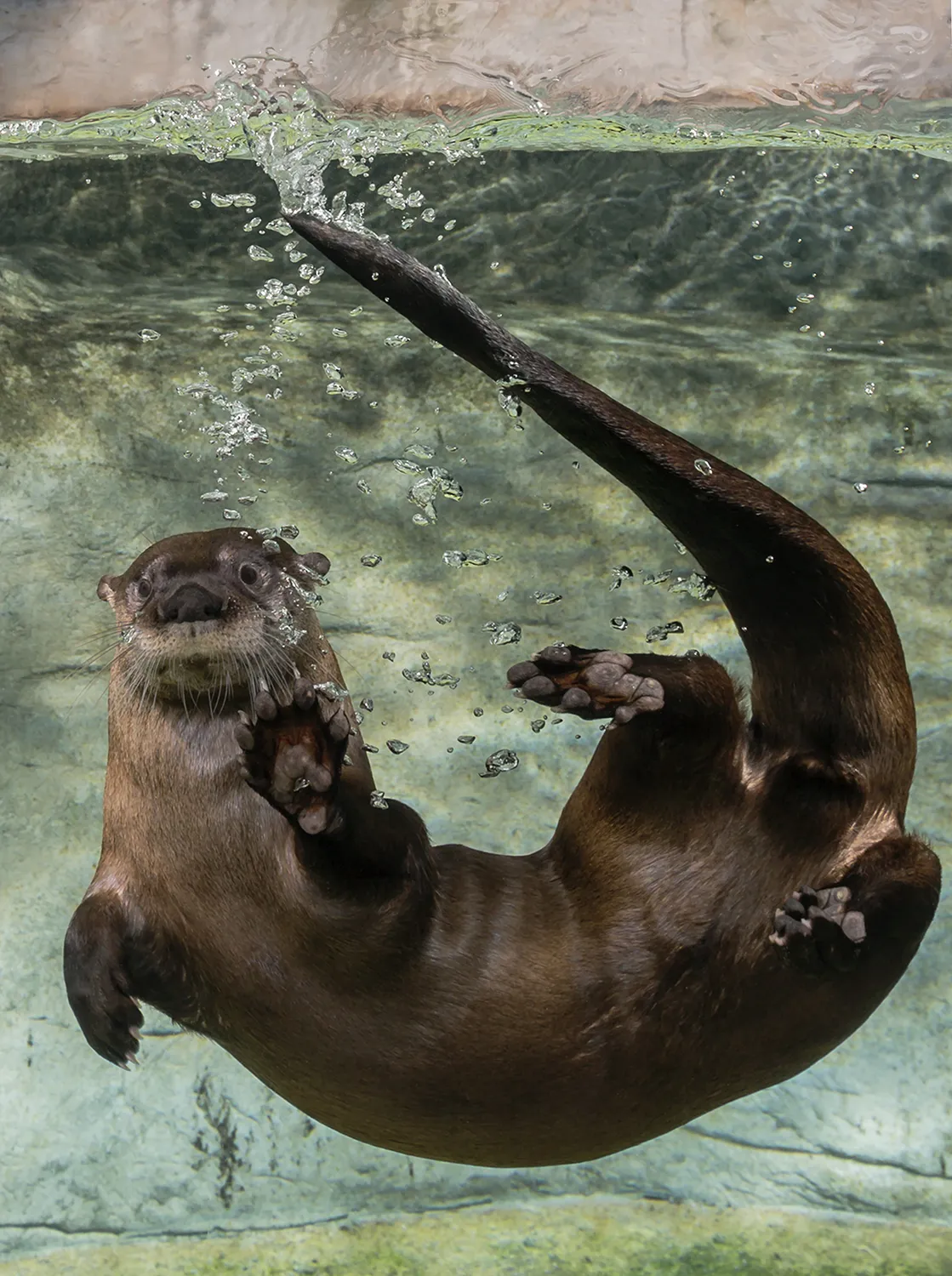
One of Stailey’s favorite photos of a North American River Otter took an angler’s ingenuity to pull off. He noticed that the otters liked to follow his hand, but he knew he couldn’t wave his arms around while taking pictures. He took an old fishing rod and tied a couple of feathers to the end of the line that he could shake in front of the exhibit’s acrylic panels.
The resulting photo, which took two weeks of persistence to capture, was among his many Connect magazine covers.
Stailey says that in his retirement, the things he will miss most are animals that have passed during his lengthy time at the Aquarium – notably lemurs Yoda and Josephine – and the people he’s worked with through the years.
“They have never hesitated to go beyond to help me get what we needed to get,” Stailey says. “They’ve been great people. I’ll think of them fondly.”
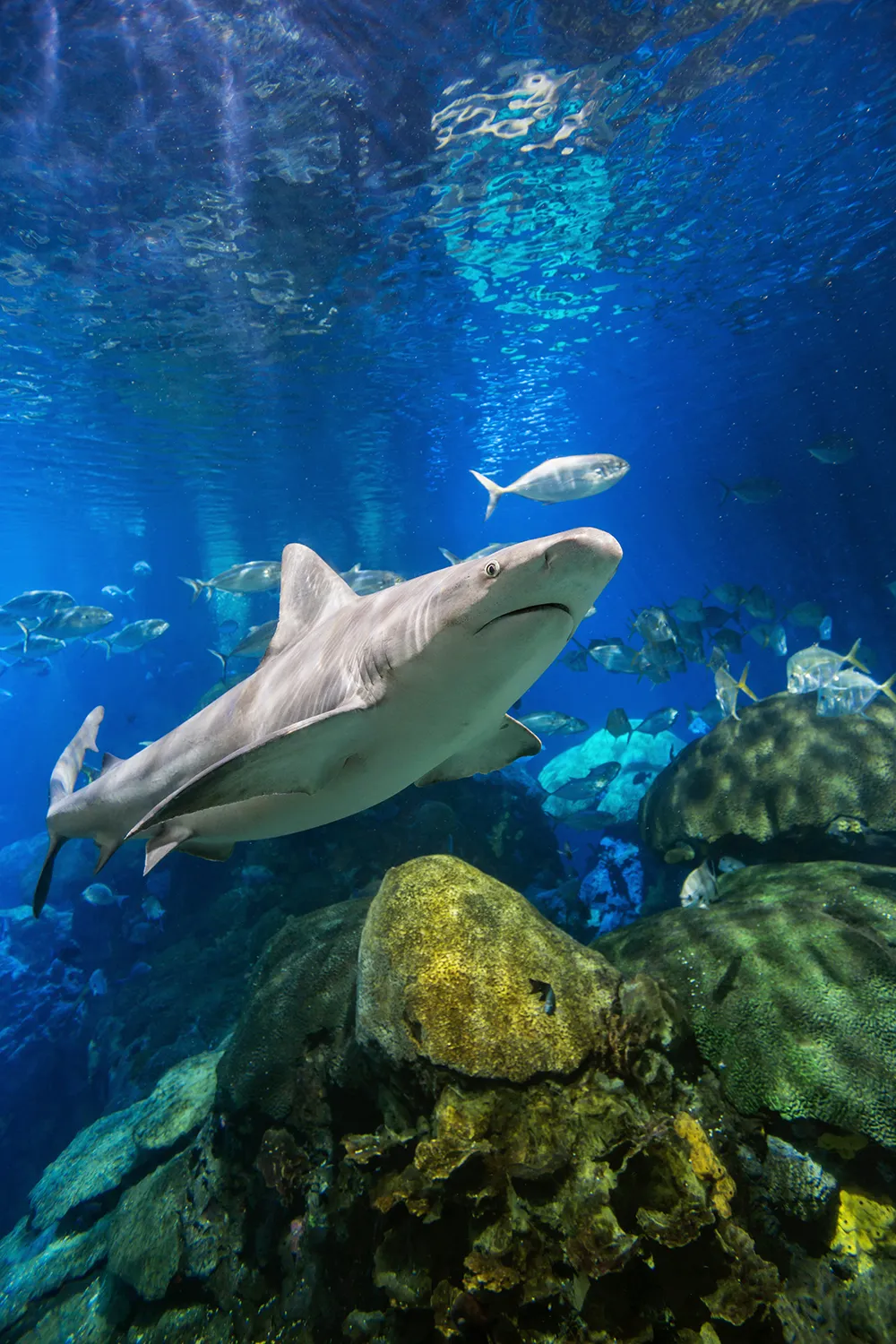
Stailey discovered just how much his coworkers cared for him while taking pictures of the Aquarium’s Gulf of Mexico exhibit (now called River Giants) more than 20 years ago. He had set up the studio lighting and their power pack above the exhibit and was about to begin taking pictures. When he took the first photo, he heard an explosion.
Terrified that the power pack had blown up, he sprinted back to the exhibit backup space. Luckily, the pack had only blown a capacitor harmlessly, which was loud but otherwise uneventful, but Stailey drew a crowd.
“Aquarists came out of the woodwork like they were running to a fire,” he remembers. “They thought that I had been hurt or killed. I learned that day that my coworkers cared.”
It isn’t an exaggeration to say that the Aquarium and its people changed Stailey during his career.
“One thing I learned here that I want to try to do some of is how important philanthropy is for nonprofits,” he says. That lesson inspired him to become a Watershed Society member and commit to a planned gift to the Aquarium.
“This place has affected so many people’s lives around here. When I was a kid, and we went on field trips, we didn’t have anything like this,” Stailey says. “This is giving kids such great opportunities, and it did so much for downtown.”
Though Stailey is sad to leave the Aquarium behind, he’s excited for what’s ahead.
“I have no regrets whatsoever,” he says. “I’ve just had a blast doing this.”